
Sigma for dashboards
Dashboards that get to the answer
Change an input and the whole model recalculates on live warehouse data, so your team stops rebuilding it every week.
Schedule demoEvery number below describes how teams model today, before Sigma.
Set rate bands and driver weights in an Input Table. Every value lands in the governed warehouse.
Duplicate the inputs, change 3 drivers, and see both versions on one chart in seconds.
Approve the version, then share the model as an app. Audit history shows who changed which input.
Set the assumptions. Compare scenarios. Lock and publish
A reviewer can open any version and see which value went in, who changed it, and when it locked.
Sigma keeps the formula freedom people expect from a spreadsheet, with 250+ functions and lookups on live tables. Custom SQL and Python run in the same workbook, so the logic stays together.
The people who own the assumptions type them in, and writeback lands in the warehouse. Approvals lock a version, and the audit trail answers which value went in.
Sigma ships no model of its own. You point the workbook at your own LLM provider or a warehouse-native model, so every AI call runs inside the stack you already govern.



Sigma queries your warehouse live, so a workbook reads what landed a moment ago.
Sigma queries live tables on Databricks and Snowflake, and others like BigQuery and Amazon Redshift, under your roles.
Every calculation reads the warehouse at run time, so the model and the source never drift apart.
Each contributor sees only the rows their warehouse role allows. One set of rules governs the model.
Input Tables keep a full change history, so a reviewer can see which value went in and when.
Each app runs on live warehouse data, so you can copy the pattern and point it at your own tables.
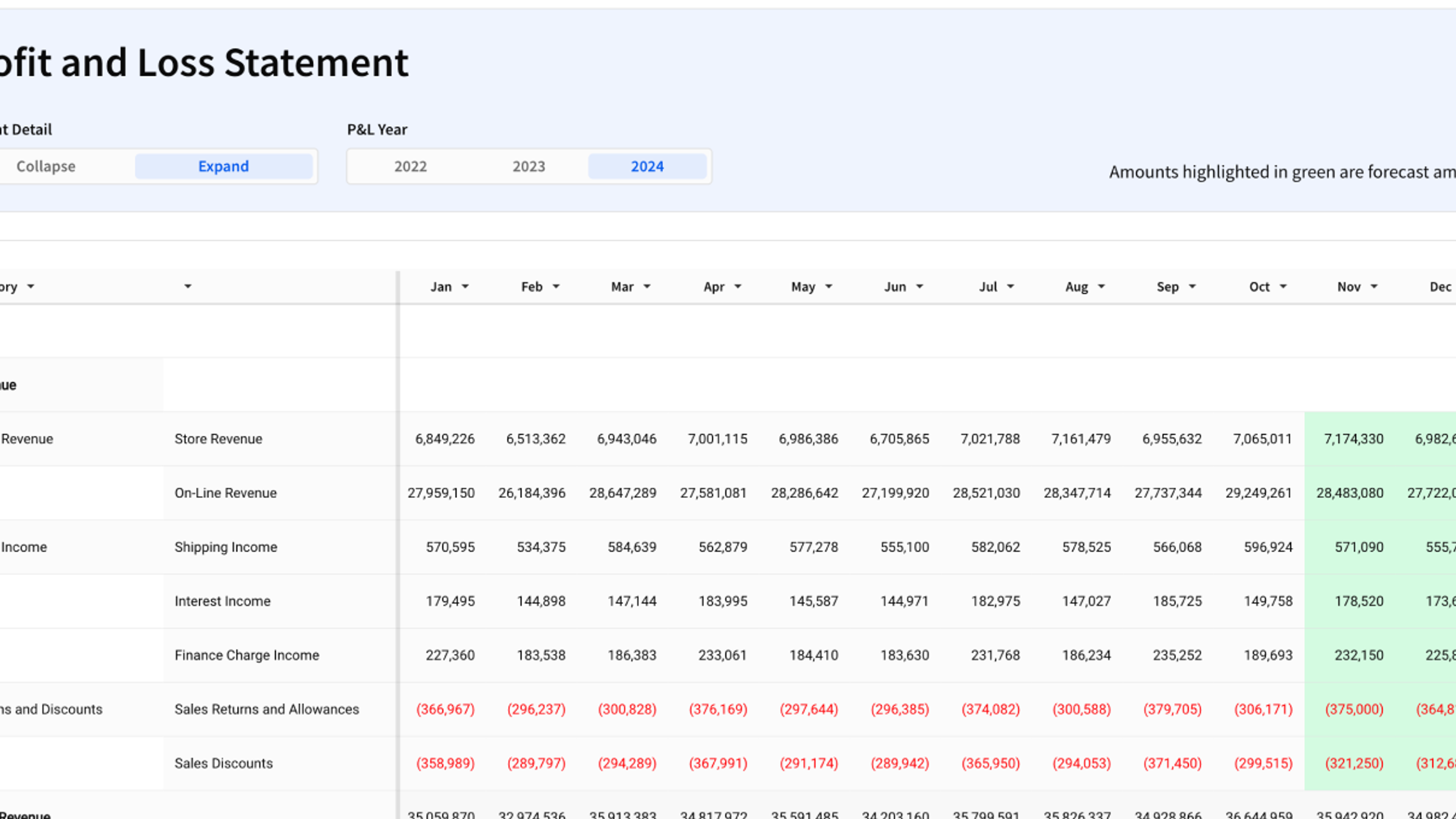
Build a P&L in Sigma. Toggle years, granularity, and forecasts at the click of a button, all on live warehouse data.
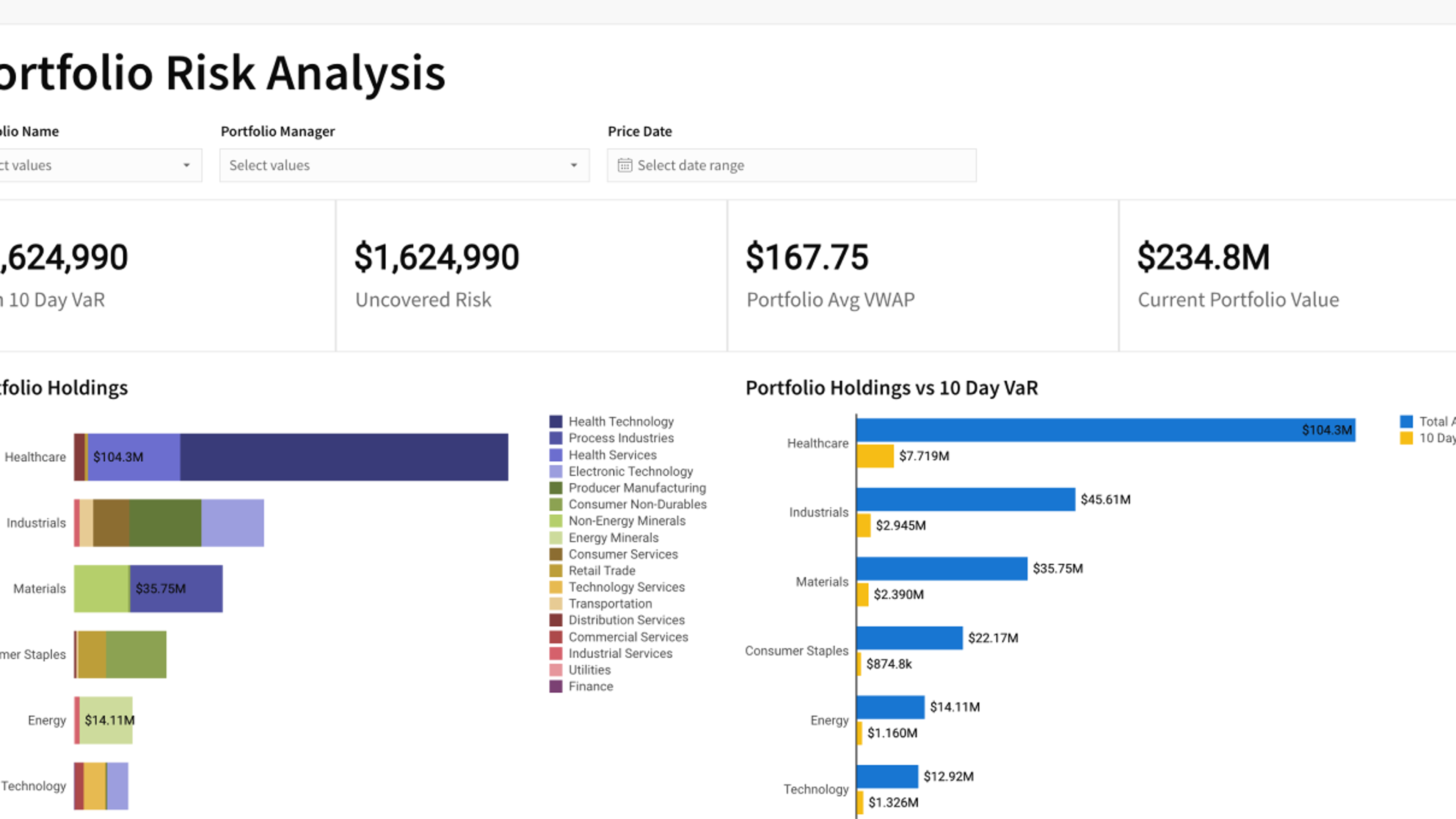
Apply VaR and CVaR analytics to manage portfolio risk on Snowflake-integrated data. Real-time analysis and rebalancing.
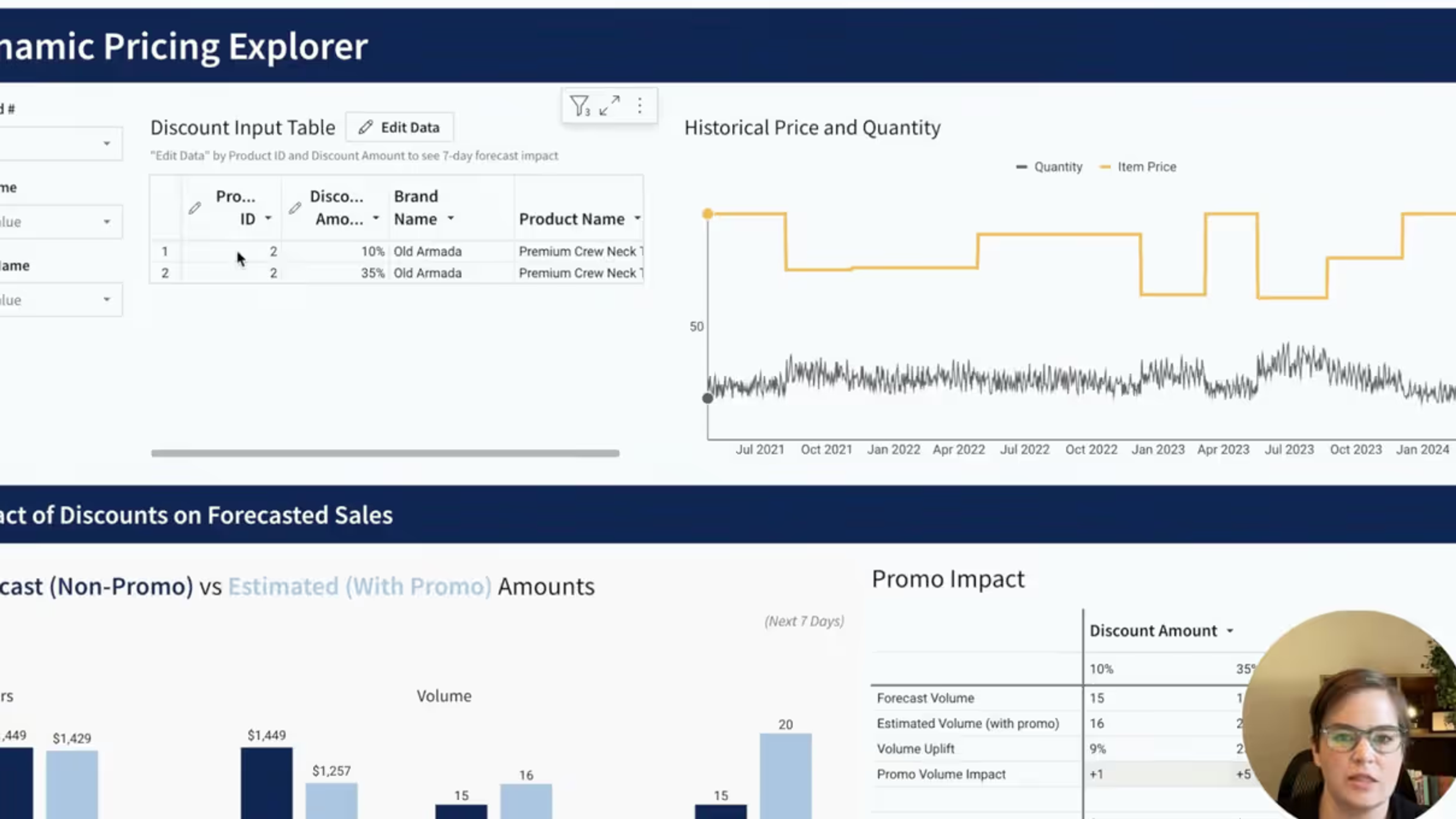
Analyze pricing adjustments and discount types vs. sales. Simulate promotion lift using a Databricks-hosted price-elasticity model.
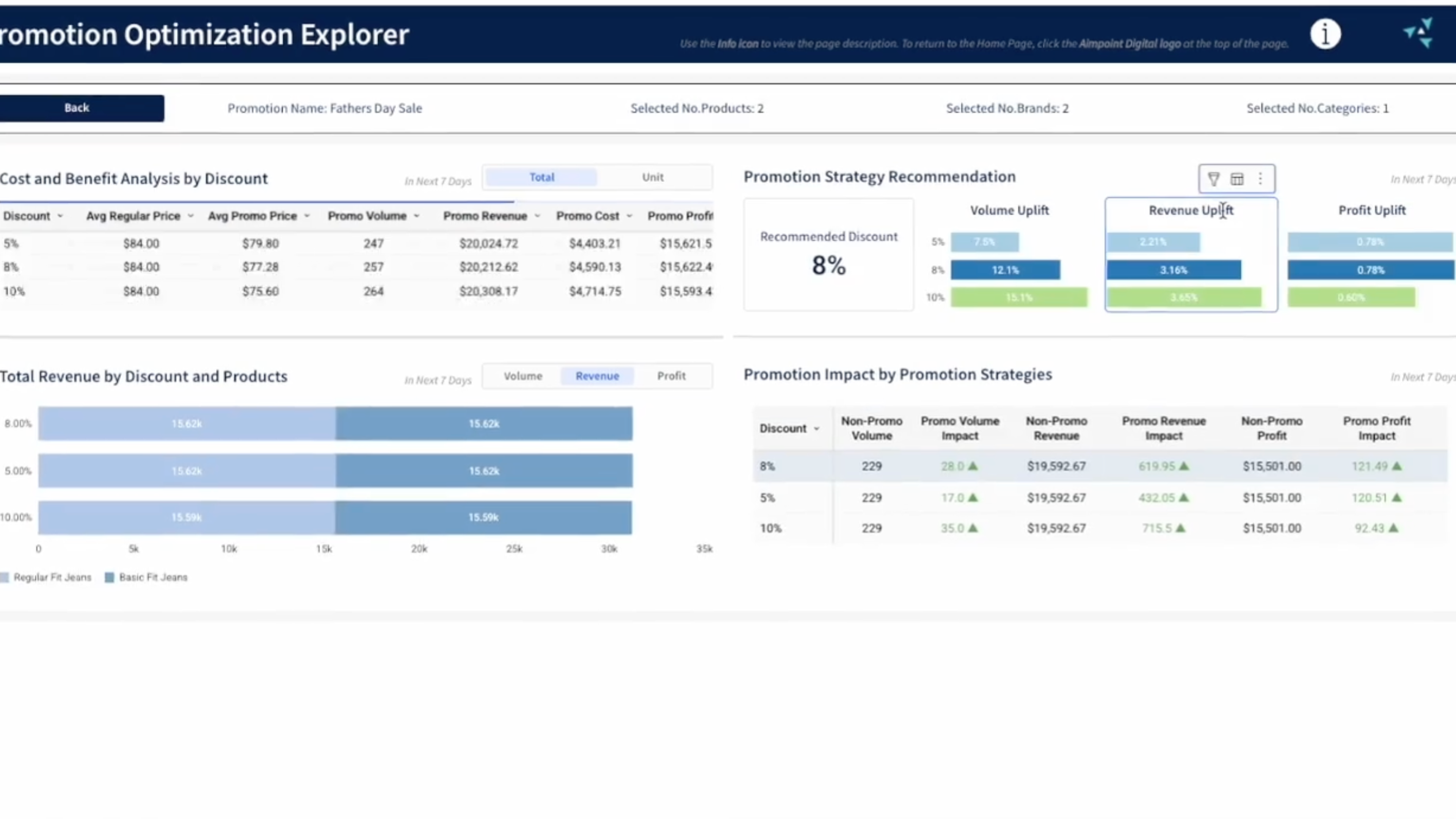
Optimize pricing and promotions on live warehouse data. Model scenarios, forecast lift, and act in a governed AI app.
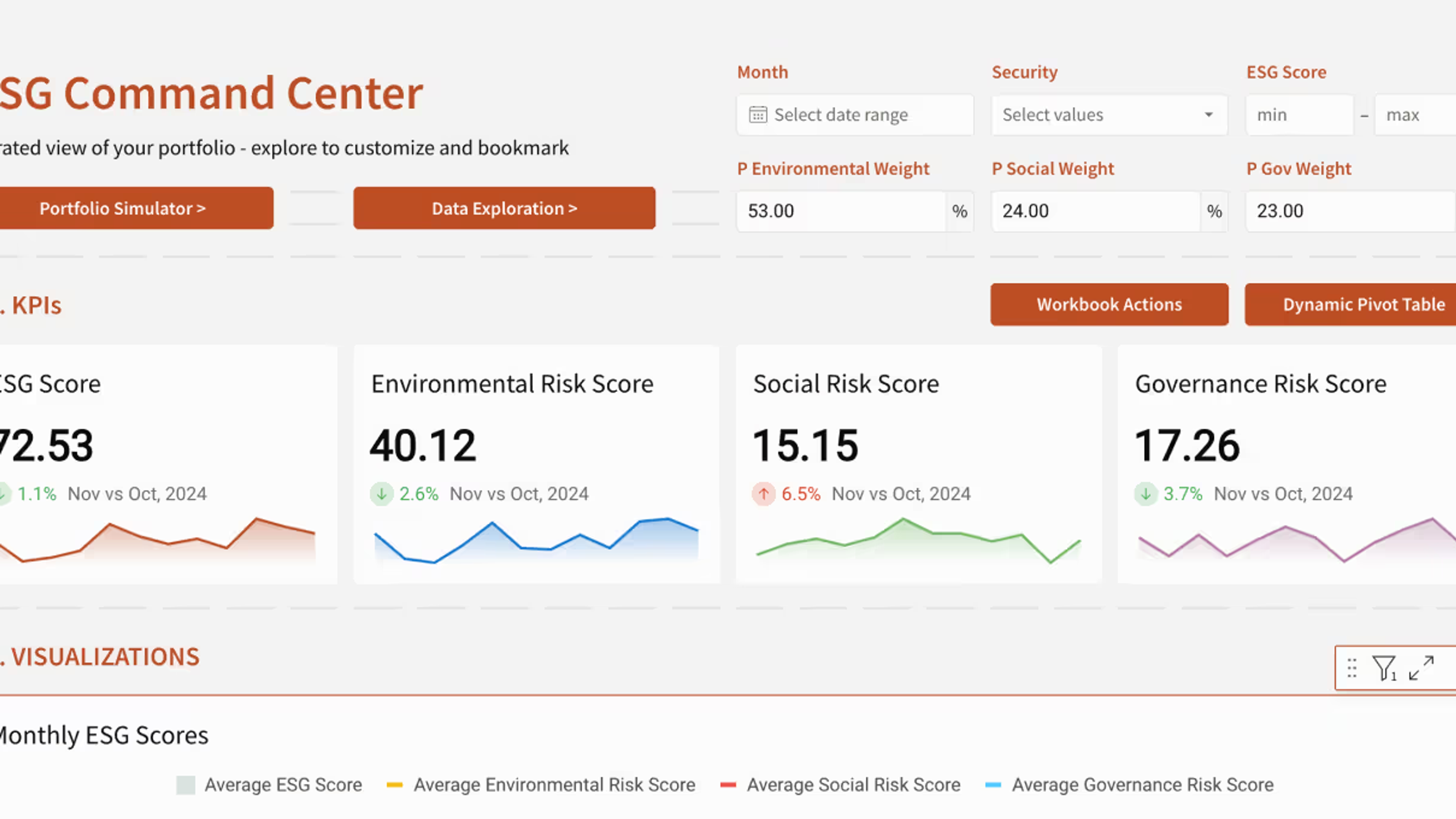
Analyze portfolio ESG ratings and model how holding adjustments shift the overall score. Blends portfolio data with ESG history.
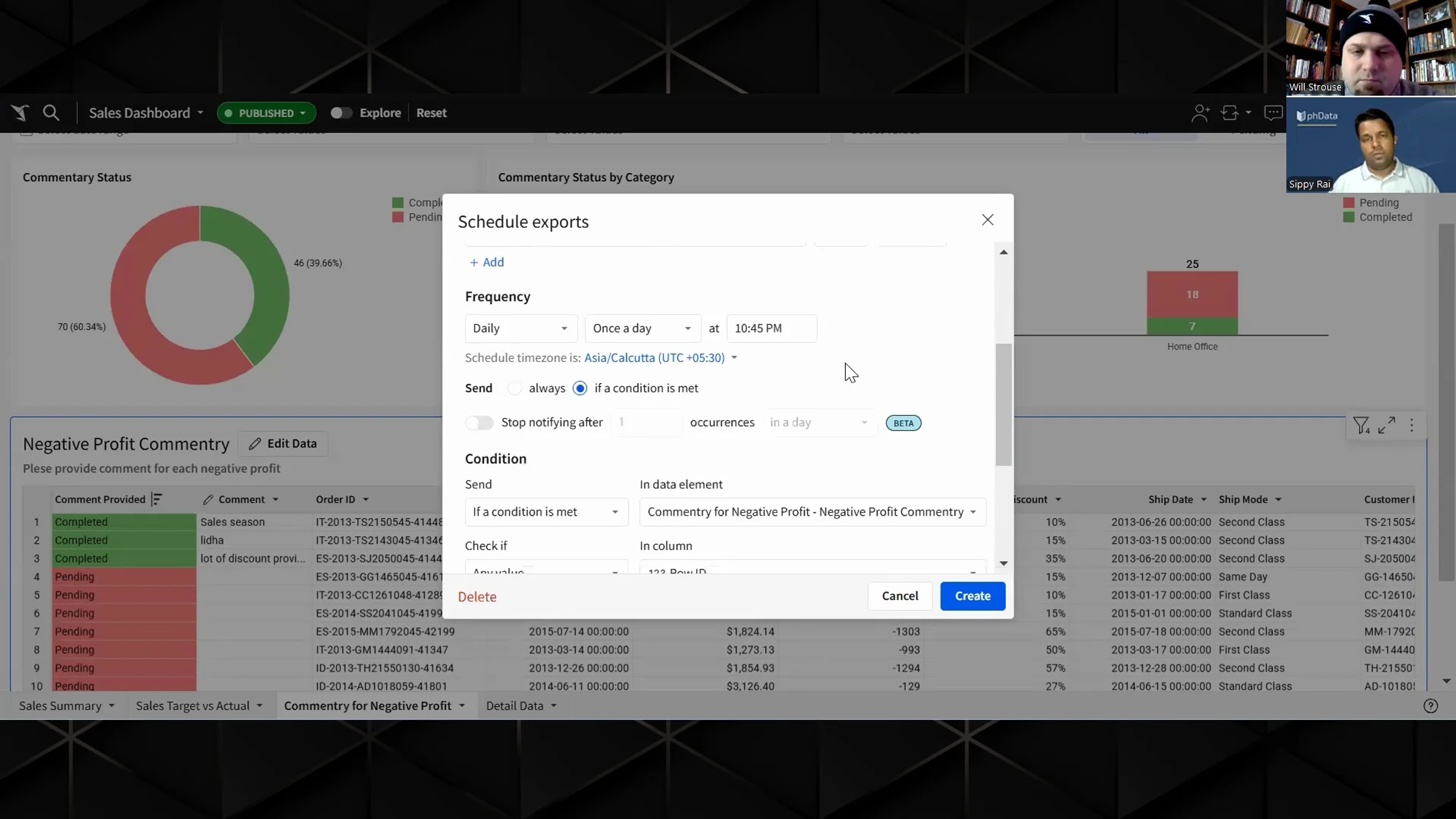
Financial app focused on margin nuances. Modify values for forecasting and planning across SKUs.
All 7 build on the same live, governed platform.
Dashboards that get to the answer
Own every forecast version
Own your plan in one place
Project tracking you can act on
Reconcile every number in one place
Fix reference data without a ticket
Model pricing, commissions, or capacity whenever the question comes up, and let the decision hold up in an audit.
Schedule demoStop buying a new tool for every workflow. Build it once on governed data, then scale it across the business.