Scaling App Development with Input Tables for Google BigQuery

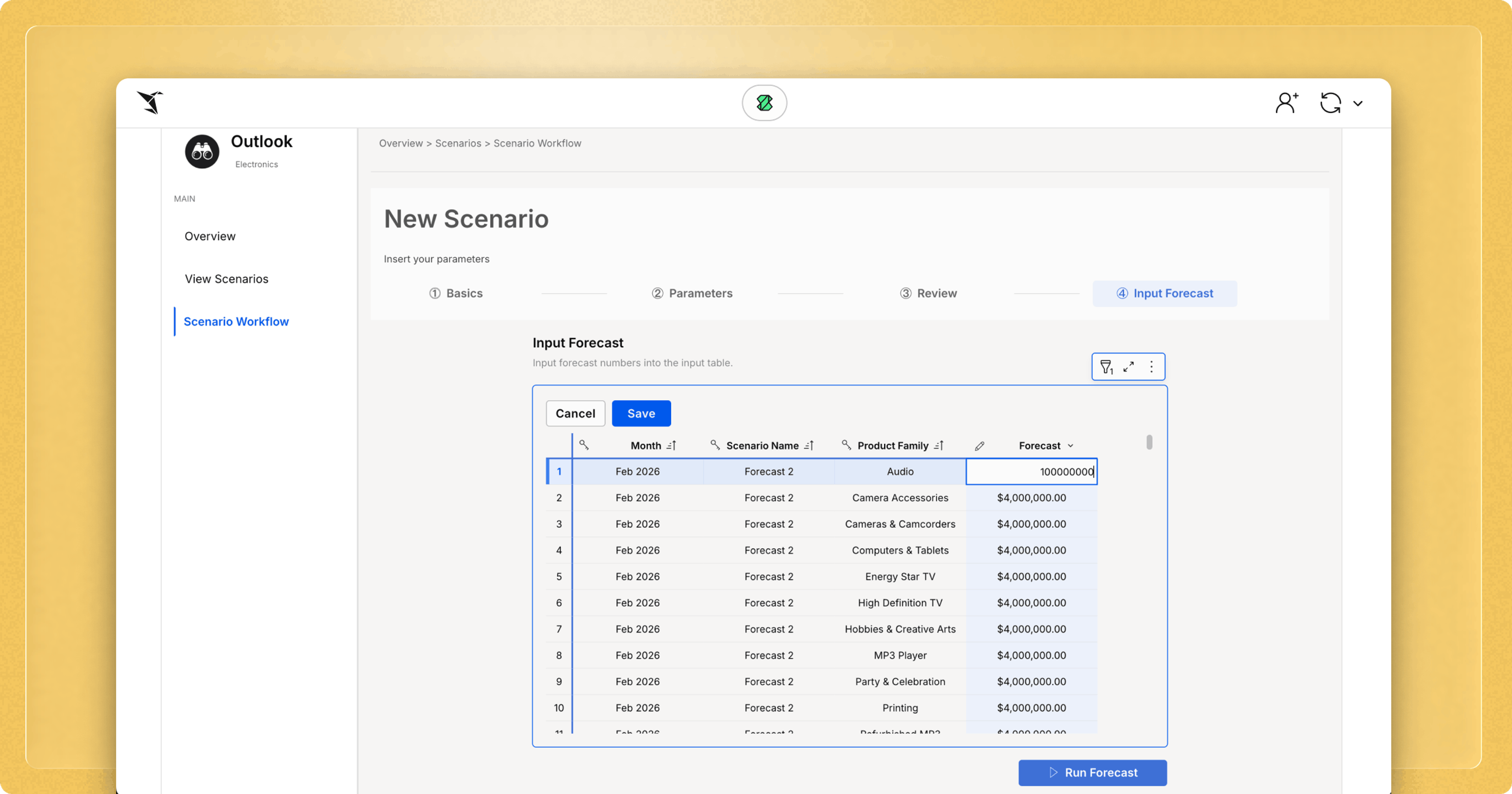
Input Tables—Sigma’s native writeback feature—are generally available for Google BigQuery customers. This means you can build secure AI apps, “what if” analyses, operational workflows, and scenario models with the full power of Sigma and Google BigQuery.
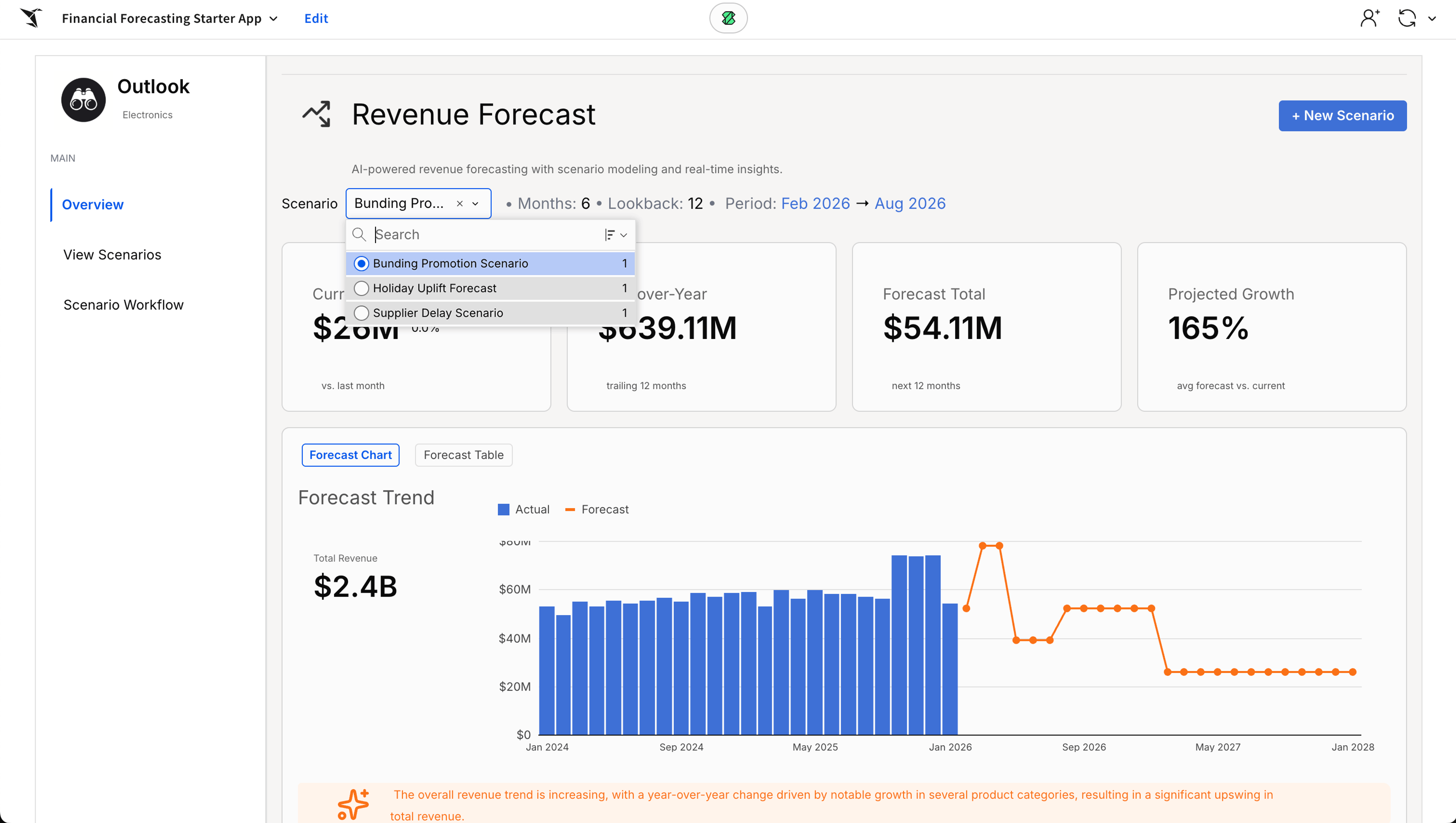
The true value of Google BigQuery lies in its ability to handle petabytes of data at scale, providing a live data foundation for enterprise analytics. Yet, a persistent challenge we see is that while the warehouse is the source of truth, the inputs that drive business decisions like budgets, quotas, and scenario assumptions, often remain trapped in disconnected spreadsheets.
This release is a critical step in enabling business teams to build operational workflows and AI apps directly on governed warehouse data.
Sigma mitigates the data movement risk
Historically, building operational apps (like financial planning or sales forecasting) required moving data out of the Cloud Data Warehouse (CDW) and into siloed point solutions or Excel. For data and technology leaders, this creates three core risks:
- Governance Failure: Once data leaves the central control plane, security and compliance oversight ends.
- Productivity Loss: Relying on static extracts or spreadsheets forces teams into a cycle of manual data prep and reconciliation.
- Costly Maintenance: IT teams are forced into a cycle of managing fragile integrations and duct-taping ungoverned processes.
Empowering business teams to build operational apps
Sigma Input Tables address these challenges by enabling secure, governed write-back functionality directly to BigQuery. Sigma Input Tables are dynamic workbook elements that allow users to input, modify, and manage data directly within the Sigma interface. Unlike traditional analytics platforms that are read-only, Sigma enables a secure, governed bi-directional flow of data.
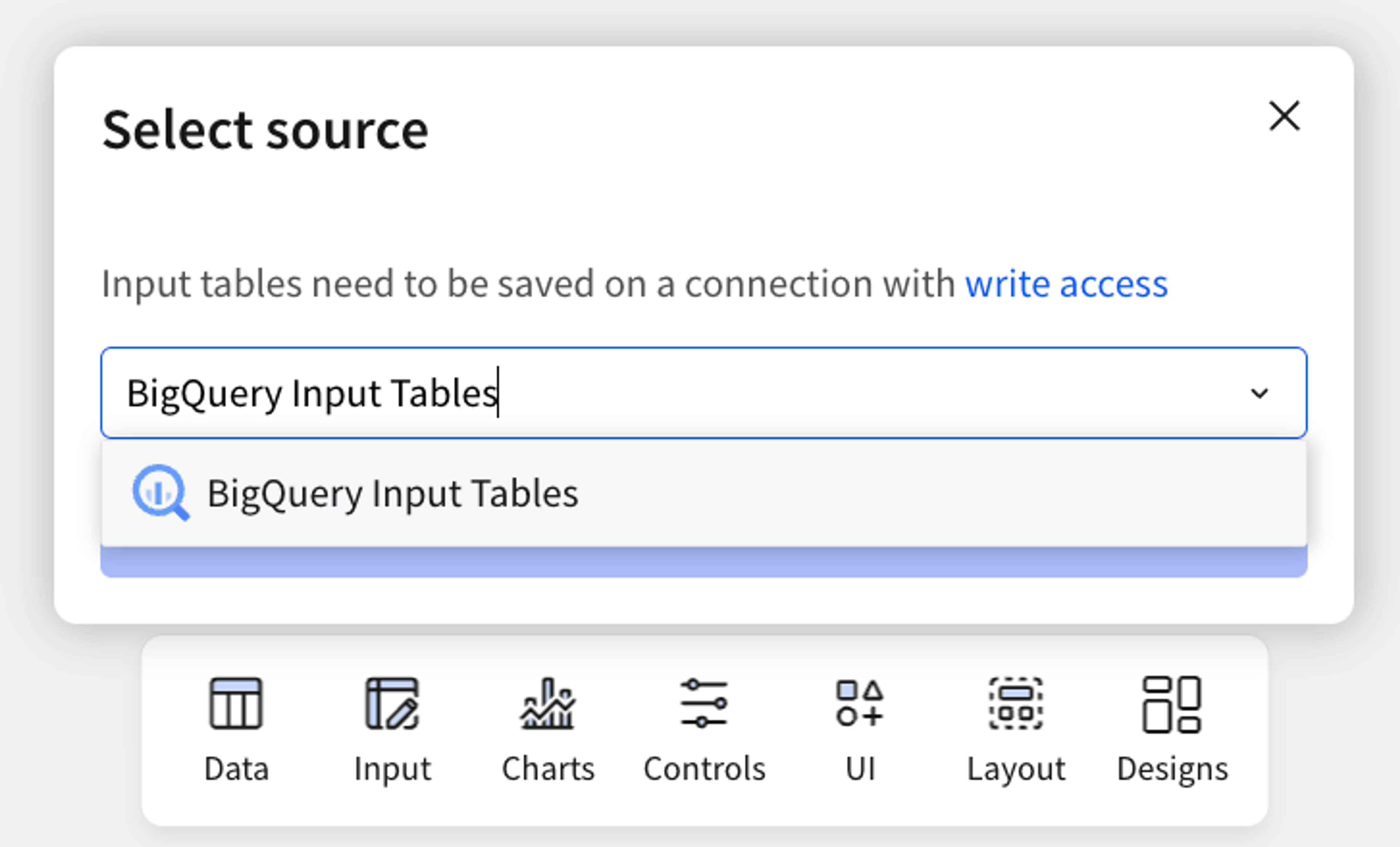
When used with BigQuery, an Input Table creates a new, dedicated table within your BigQuery dataset.
This allows users to:
- Rapidly prototype new datasets.
- Perform advanced scenario planning and what-if analysis.
- Blend external, ad-hoc data with structured warehouse data—all without database integration, complex ETL jobs, or leaving the Sigma platform.
Key advantages for the enterprise
1. Lower TCO and engineering overhead
Sigma connects directly to your BigQuery environment to both read and write data, ensuring your information stays where it belongs. By eliminating external databases, complex ETL jobs, and fragile data pipelines, you dramatically reduce total cost of ownership (TCO) to build business apps and allow engineering to focus on high-value architecture.
2. Informed, real-time decision-making for productive teams
Operational apps built on Sigma sit directly on the warehouse, ensuring every action is informed by your entire live dataset. This allows teams to blend ad hoc inputs with massive historical data for AI-driven apps. For example:
- Financial Forecasting: Finance and operations teams can adjust assumptions and instantly see the downstream impact on historical actuals in BigQuery to optimize costs and cash flow.
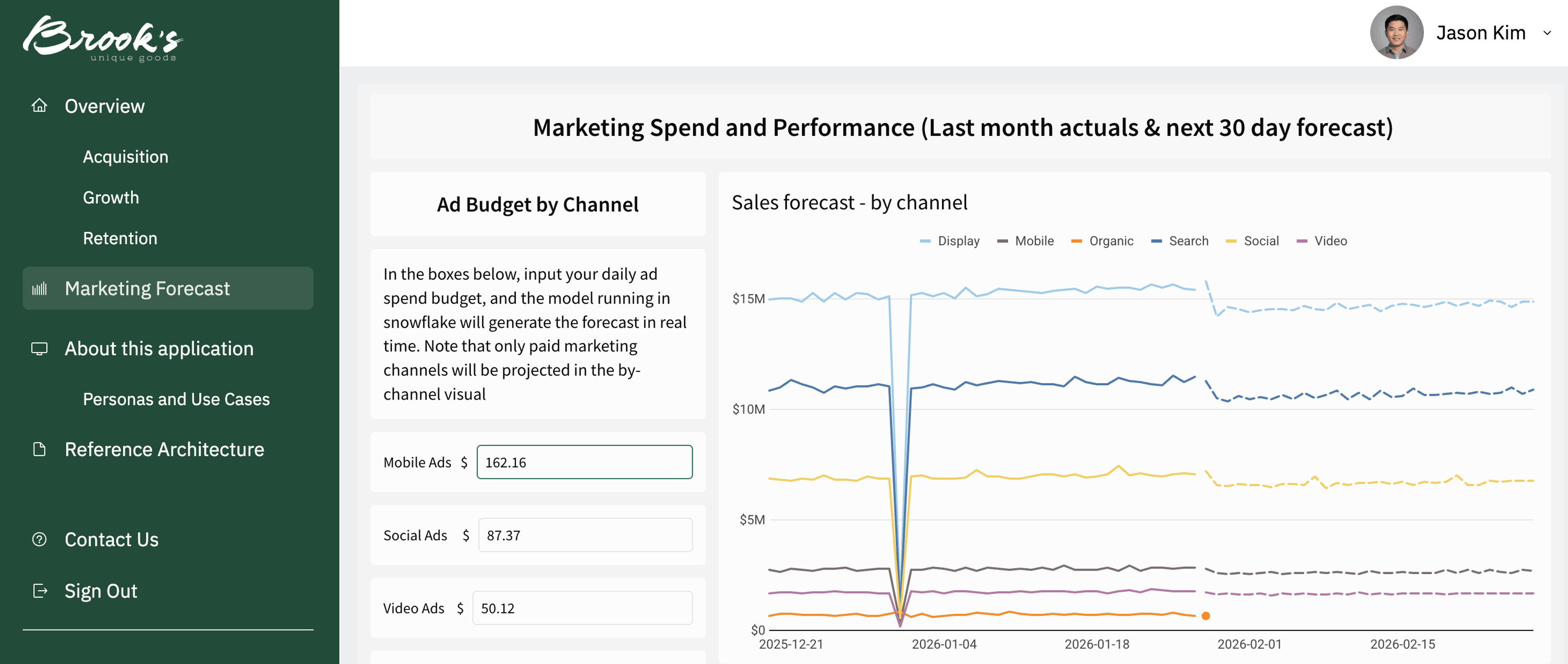
- Sales Planning: Operations teams can input regional targets and territory definitions to be consumed alongside live sales data, reducing forecast variance and driving revenue.
3. Unified control and governance
Sigma extends your existing BigQuery permissions to Input Tables, ensuring every data entry is instantly secured, auditable, and ready for enterprise-wide reporting. By centralizing apps, AI, and analytics under a single permission scheme, you eliminate the risk of shadow IT and "spreadsheet sprawl," providing a governed path for LOB teams to build their own solutions.
Empowering business teams while protecting data integrity
By unifying analytics and operational workflows on the same BigQuery foundation, Sigma empowers business teams to build the tools they need while ensuring IT and Data leaders maintain absolute control over data integrity.
Empower your team with the data agility they need, now backed by the serverless scale and speed of Google BigQuery. Learn more about Sigma AI Applications.
Ready to start using Input Tables to build your first app? Join us at our first User Conference, Workflow, where you’ll get hands-on training to craft enterprise-ready apps that are custom-fit to your business needs.