Why I Wanted to Build RevOps at Sigma

Leading RevOps at several high-growth companies taught me one thing fast: the same problems show up everywhere. Every company I worked with had the “right” tools, but the stack never quite worked as a system. Data stayed disconnected, forecasts went stale, and getting a reliable answer meant manually stitching together reports or layering on yet another tool.
For a long time, the default solution was to patch the gaps by buying another tool or adding another integration. But after seeing this play out again and again, I realized the real issues were the way the data was modeled, and how fragmented it was across platforms.
The persistent hunt to solve these challenges with a long-term solution led me to Sigma. I knew Sigma as a BI platform customers liked, and as I got more serious in my quest to solve this recurring problem, I began speaking with senior leaders at Sigma. Immediately, these conversations felt different. Their mission was clear, their approach was fundamentally new, and their alignment around how go-to-market teams should operate was electric.
I realized then that merely using Sigma’s platform wasn't enough. I wanted to help shape it, scale it, and deliver that same solution to RevOps teams struggling with the very problems I’d lived through for years.
From evaluating Sigma as a solution to joining the team building it
The more time I spent with the Sigma team, the more confident I became in my decision. I’ve spent my career partnering with CROs who run disciplined, value-based sales motions. We speak the same language. MEDDICC. Champions. Command of the message. When I met Sigma’s CRO, Marcello, I knew instantly that he already operated that way, so we could start solving real problems off the bat.
I was also really drawn to Sigma because it was entering a phase where operational scale, rigor, and execution would directly shape the company’s trajectory. I’d already built RevOps from the ground up multiple times at earlier-stage companies, but now I was ready for a different challenge. With Sigma, there was an obvious opportunity to scale the business from $100M to $1B ARR efficiently. And we’re already seeing it now. In just the past 12 months, Sigma has doubled our ARR driven by both new customer demand and expanding usage across existing enterprises.
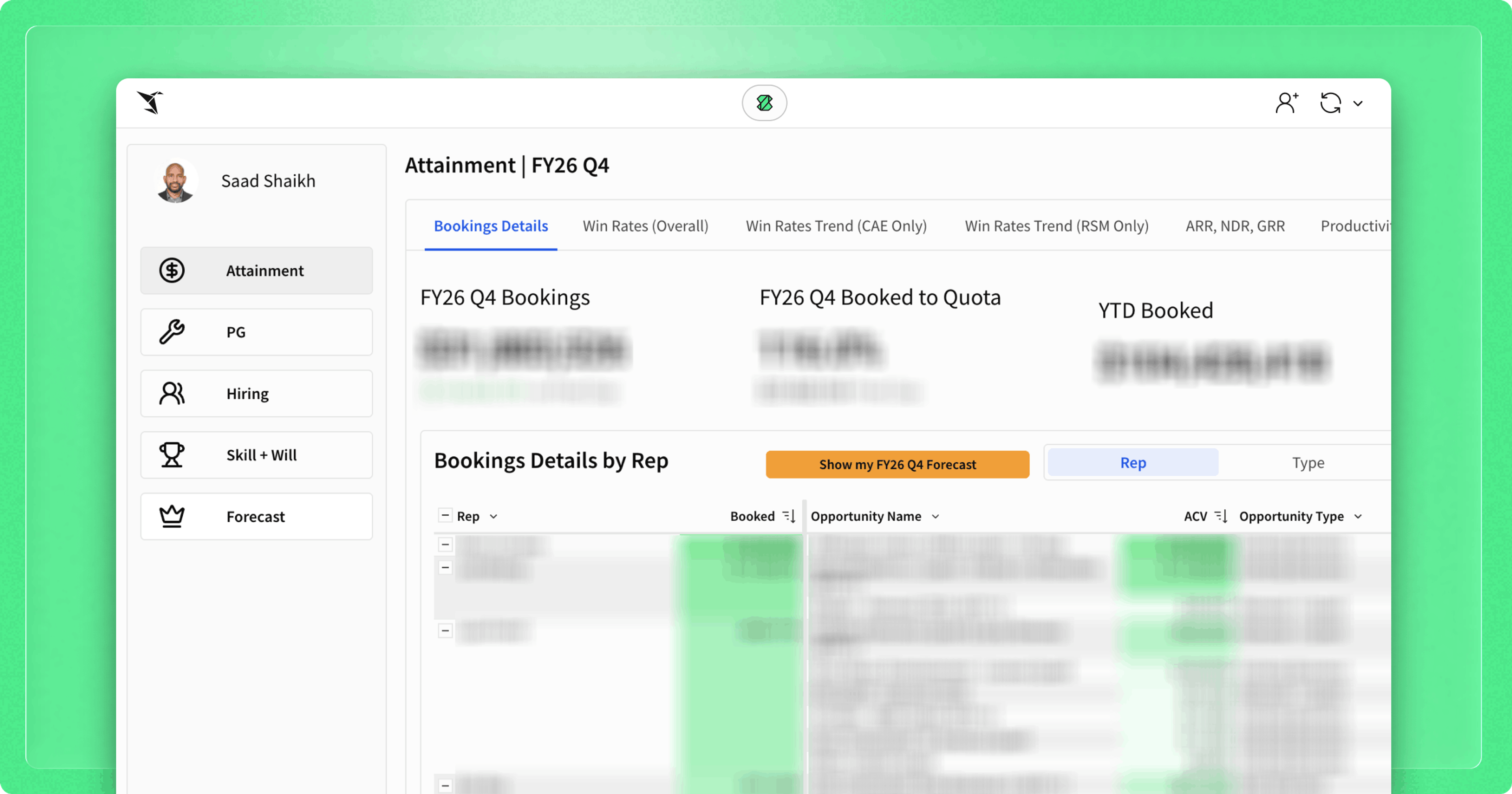
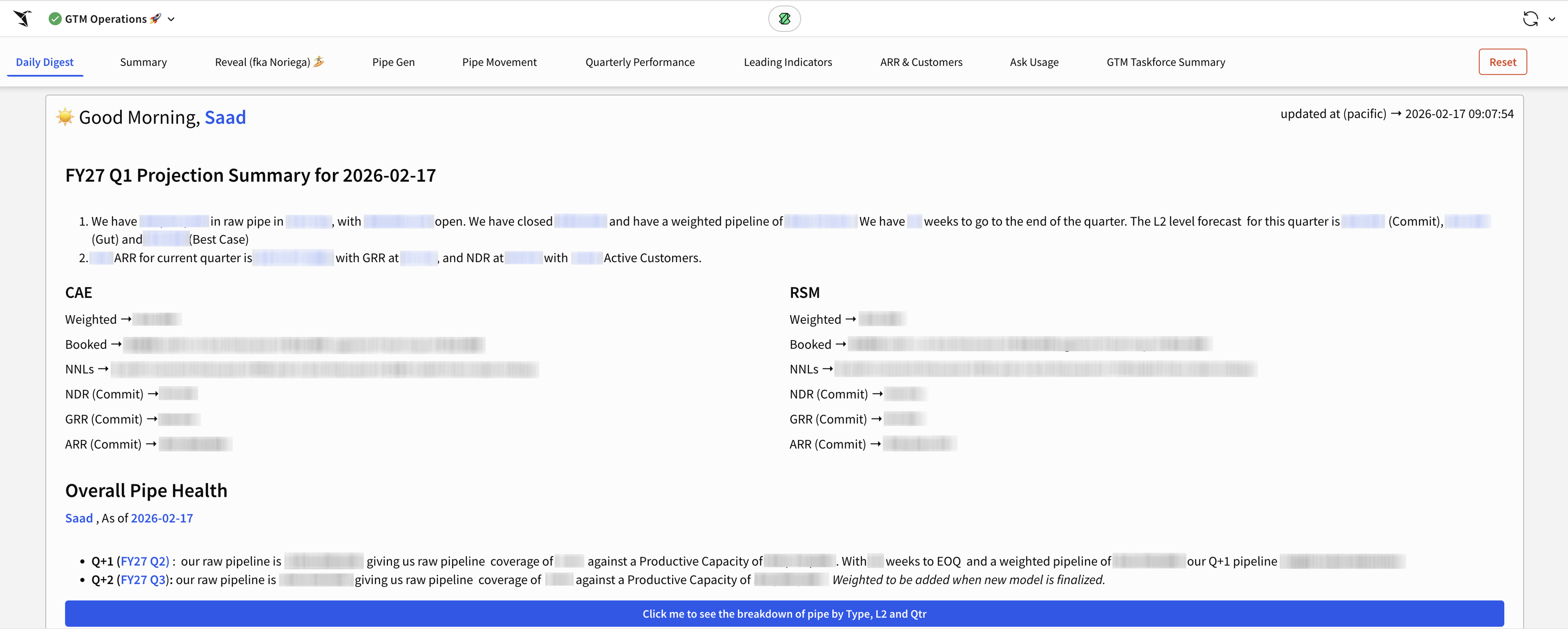
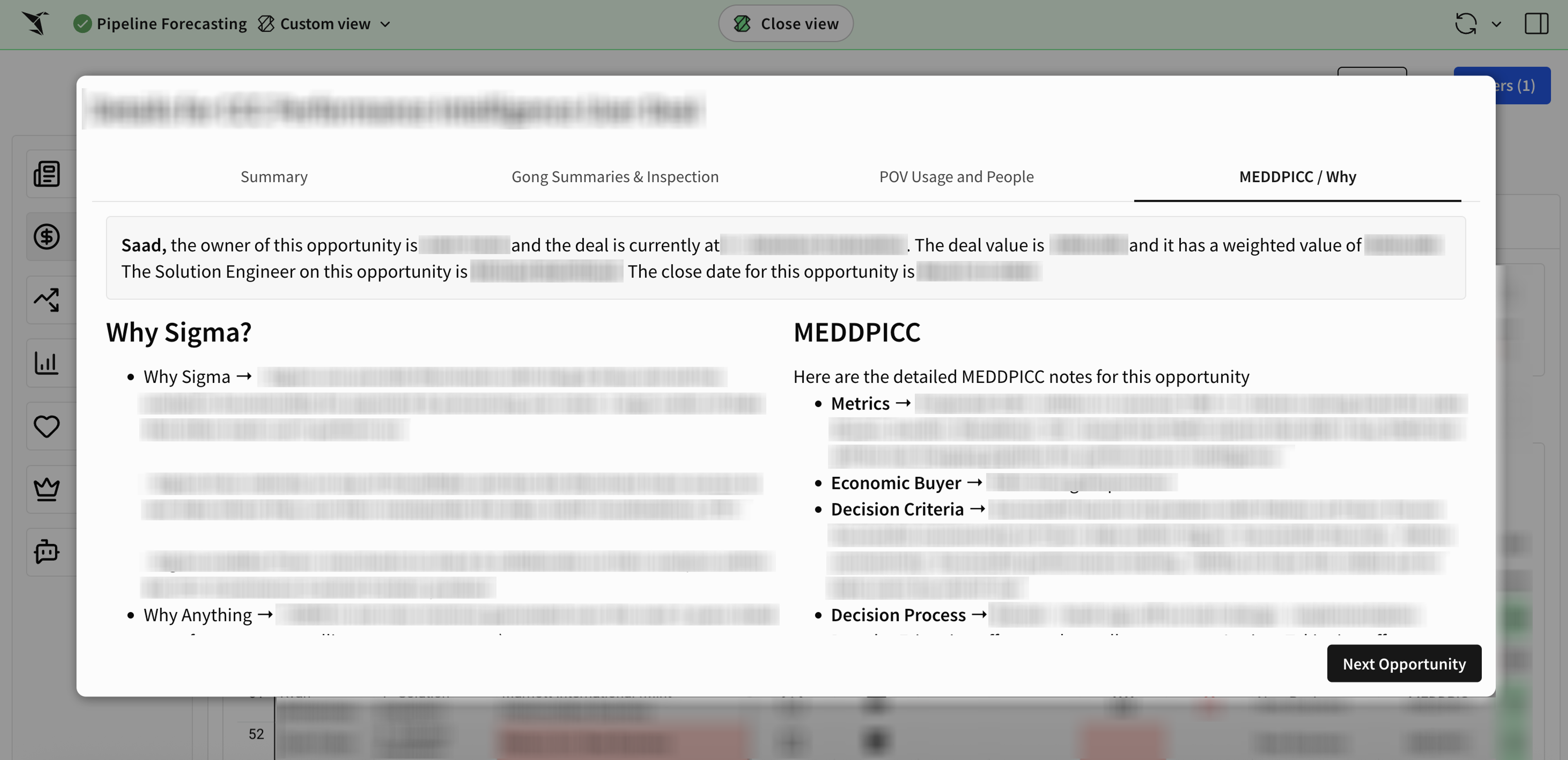
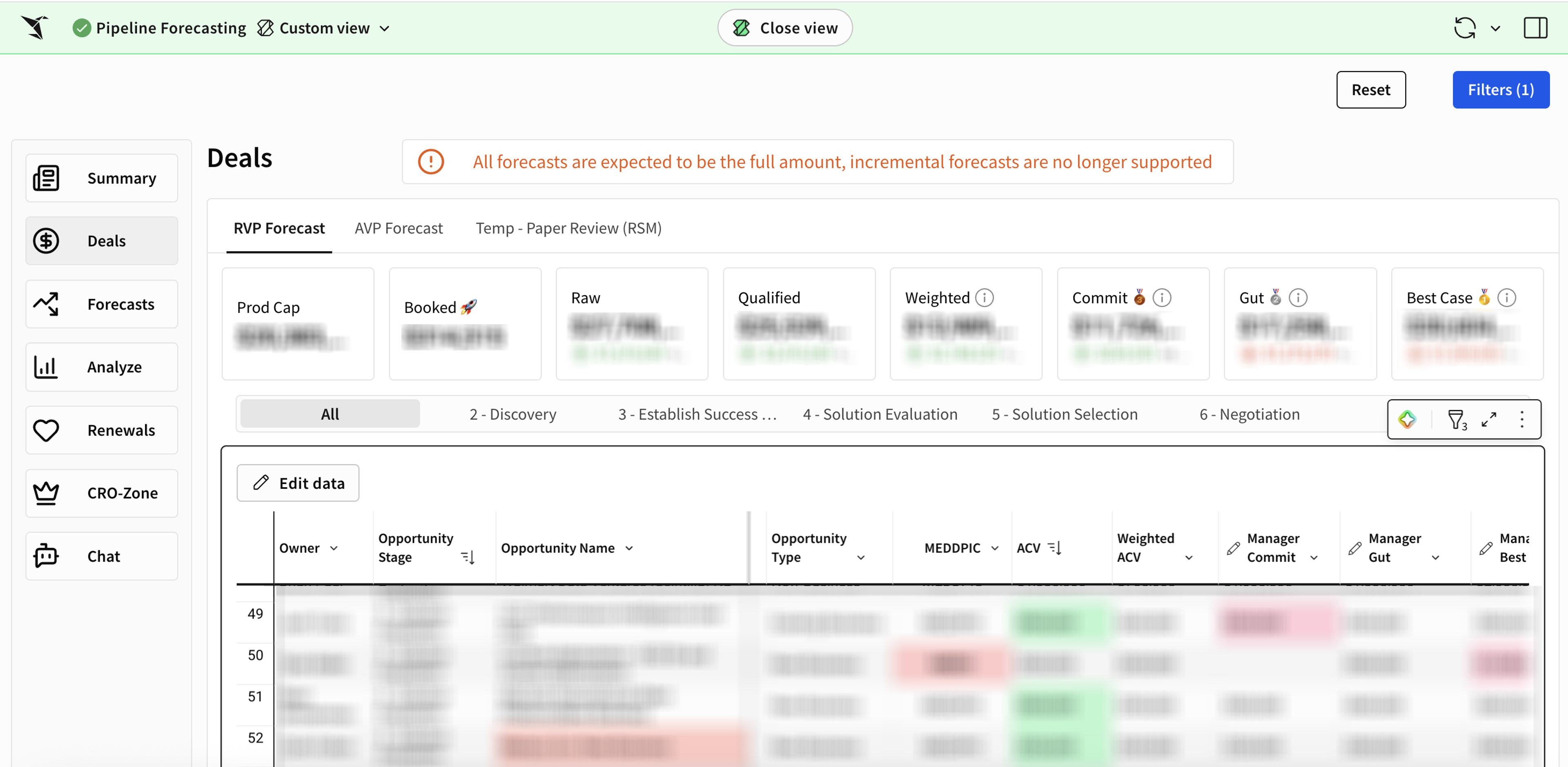
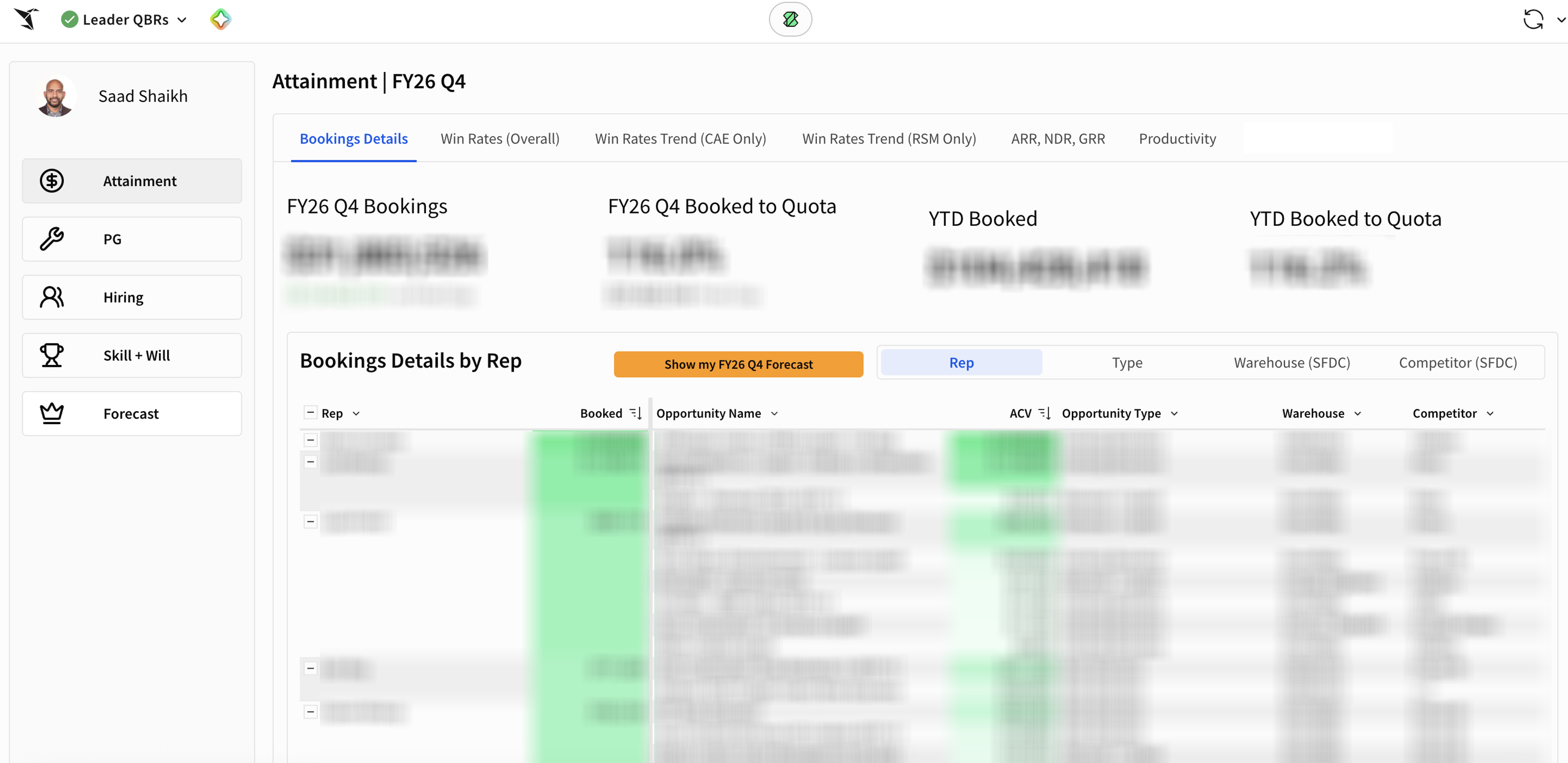
Then there was the product. Marcello showed me how he actually ran the business in Sigma. I saw workflows, models, and operating decisions happening directly on live data. To me, that represented a chance to replace entire categories of RevOps tooling by building what teams actually need, directly in the warehouse.
At that point, I knew I wanted to help build Sigma alongside a team that understood the problem as deeply as I did.
The 3 persistent data problems for RevOps teams
Before Sigma, I had seen familiar RevOps problems play out repeatedly. No matter how strong the team or how expensive the tools, these same three structural issues keep showing up:
- Fragmentation: In most companies, Marketing, Sales, CS, and Product all live in their own systems, with no clean lead-to-customer flow. Every integration is a custom project, and RevOps teams spend their time stitching data together.
- Data lag: Forecasting and operational decisions still depend on batch syncs and scheduled refreshes. Deals change hours before forecast calls but reports don’t, so leaders walk into critical meetings knowing the numbers are already out of date.
- No real customization: Most GTM tools stop at templated dashboards and surface-level metrics. So, to answer real questions, teams layer on Excel or traditional BI tools and build one-off models that break as soon as the business changes.
And here’s the thing—even great tools weren’t designed to solve this problem. Platforms like Salesforce, Clari, and Gong are powerful, but they’re sales-first by design. They don’t connect cleanly to the top of the funnel or the customer lifecycle as a whole. That forces every team to operate on its own version of the truth, with RevOps stuck in the middle.
Sigma’s approach to working with GTM data is fundamentally different. I’d been a buyer of many GTM SaaS tools, so I understand the tradeoffs and the frustration. But Sigma makes it possible to consolidate major go-to-market spend by building core operational capabilities directly on live warehouse data, without adding another layer. Sigma’s app layouts, Actions framework, and writeback capabilities enable me to build the exact RevOps workflow that my team needs. I don’t have to buy and piece together excess SaaS tools to run my critical business processes—I can just build an AI app in Sigma.
Paired with deep partnerships across modern cloud data platforms like Snowflake and Databricks, this creates a foundation that can finally support how GTM teams actually operate.
Building the future RevOps engine on live data
Joining Sigma completely changed how I think about RevOps. When you build directly on live warehouse data, you stop working around tool constraints and start designing the operating system itself. RevOps shifts from managing complexity to removing it, and that changes what’s possible, not just for one team, but at scale.
Inside Sigma, this is how we run the business. We build GTM workflows directly on live warehouse data, including forecasting models with the depth and flexibility we could never get from point solutions. Activity, engagement, and outcomes live in the same place, which changes how decisions get made day to day.
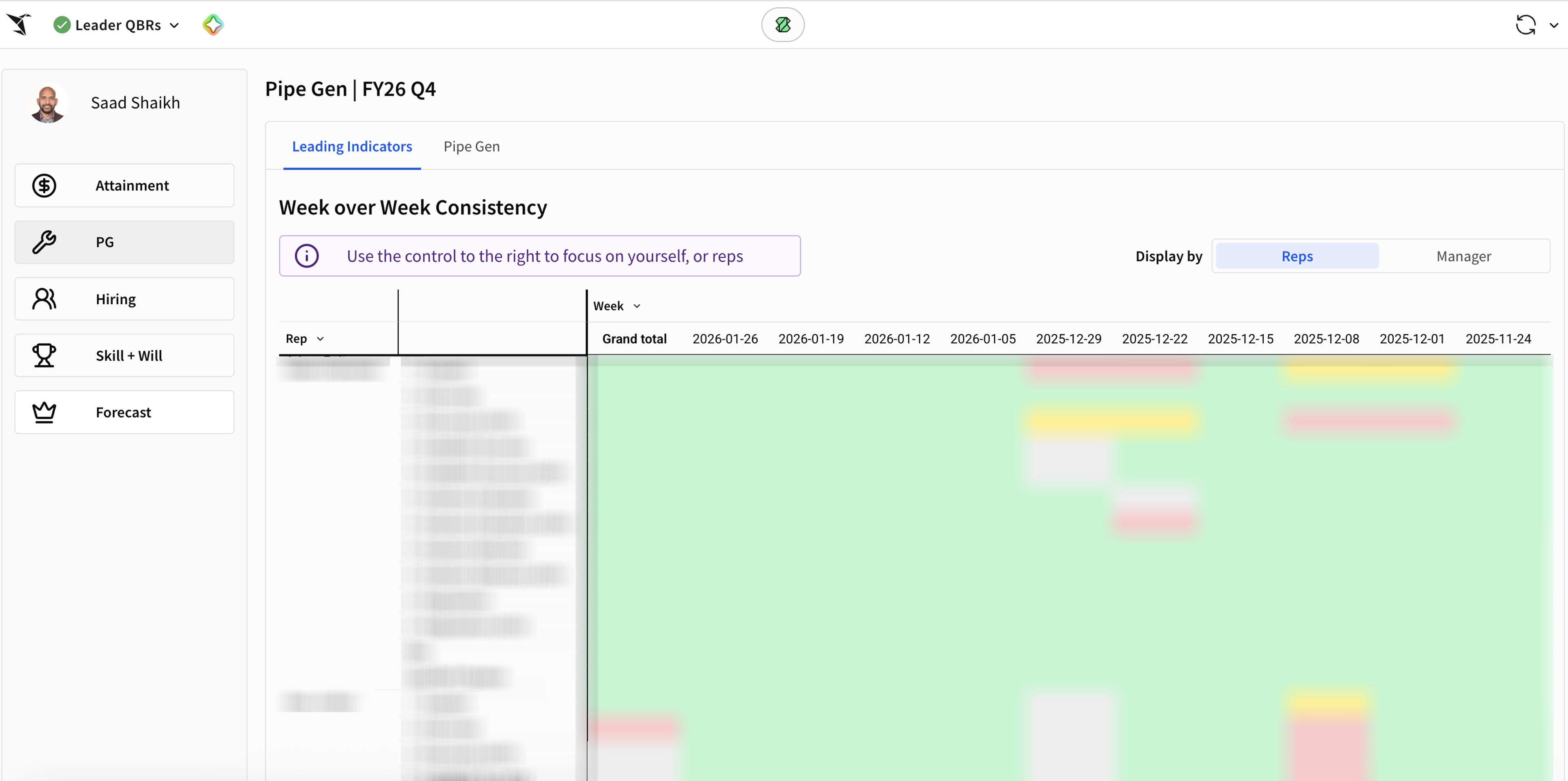
That setup also reshapes how teams work. Updates happen where the analysis lives, with changes flowing back to systems of record without forcing reps to bounce between tools. As a result, RevOps stops being a reporting layer and becomes an operating function. One that can evolve quickly as the business changes, without adding more tools or more complexity.
Start building your GTM system on your cloud data warehouse with Sigma
RevOps works best when everything runs from one foundation. By building the entire GTM engine directly on the cloud data warehouse, Sigma gives teams a single source of truth and a flexible layer to build whatever they need. Every decision, every model, every app connects to the same reality. That’s what makes it scalable. That’s what makes it work.
If you lead RevOps, it’s time to see what’s possible when everything runs on live data. Schedule a Sigma demo today, or check out our Careers page if you’re interested in building the future of RevOps with us.