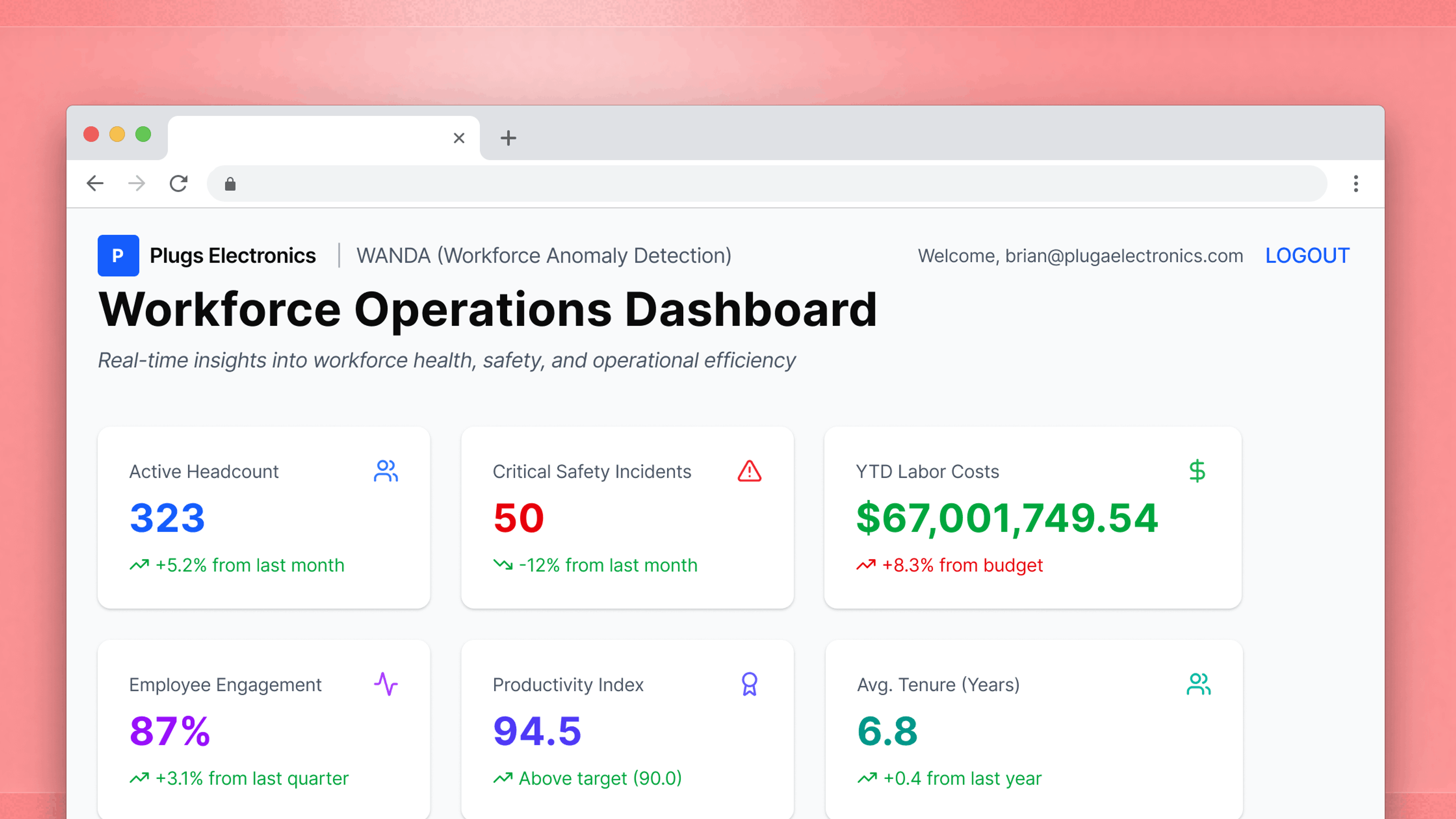
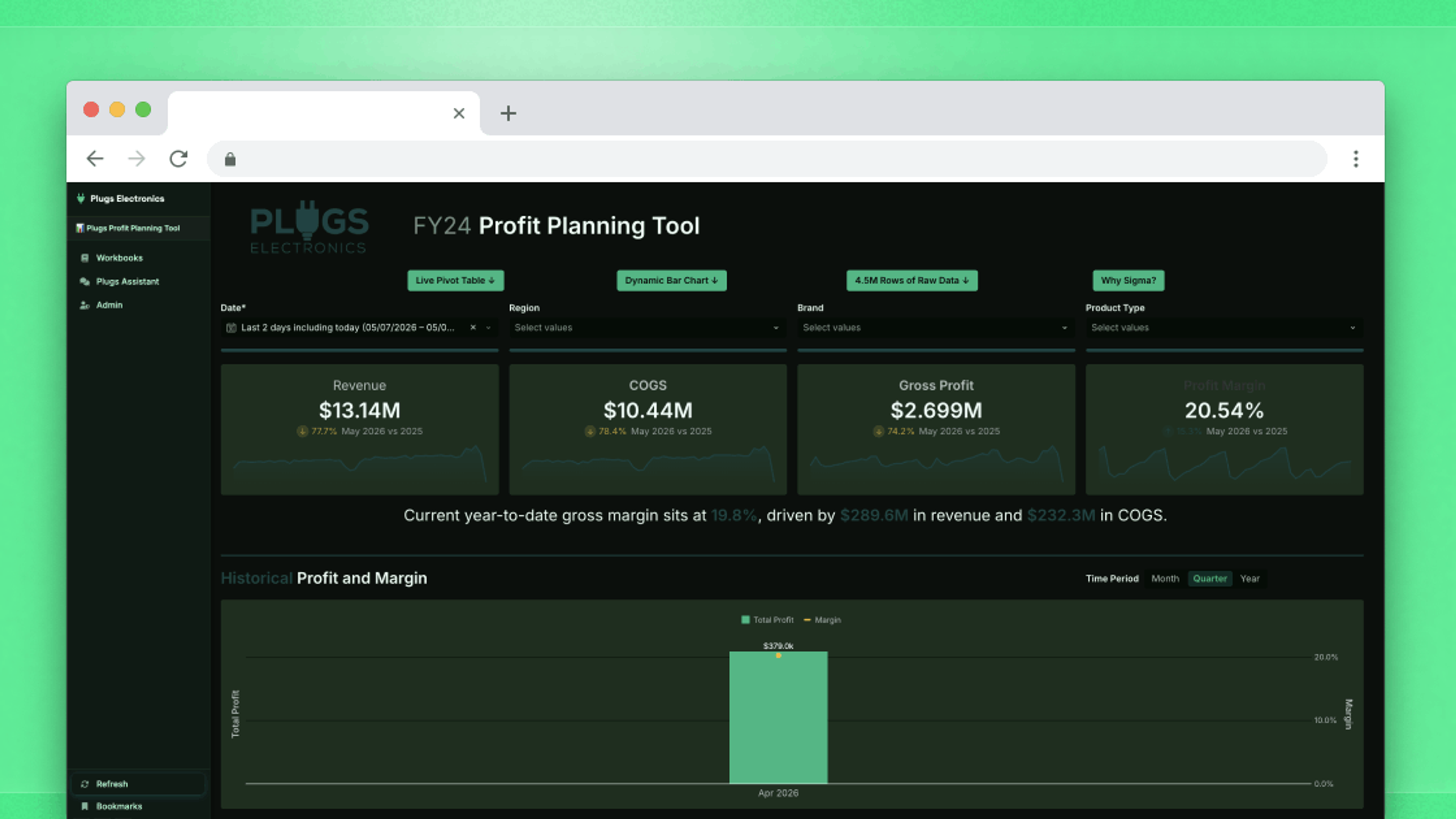
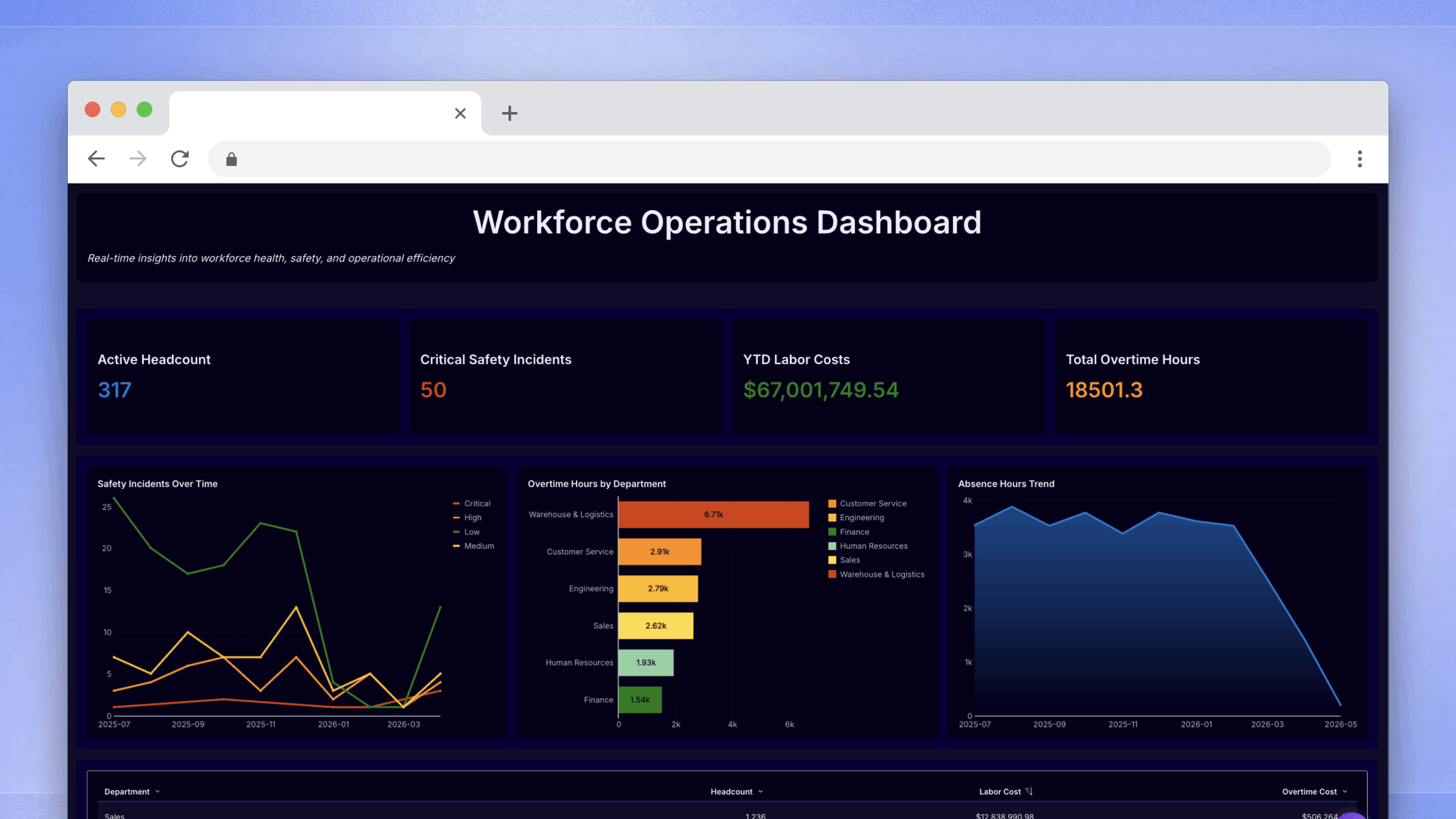
How to Choose Reliable White‑Label Embedded Analytics Software for Your Business

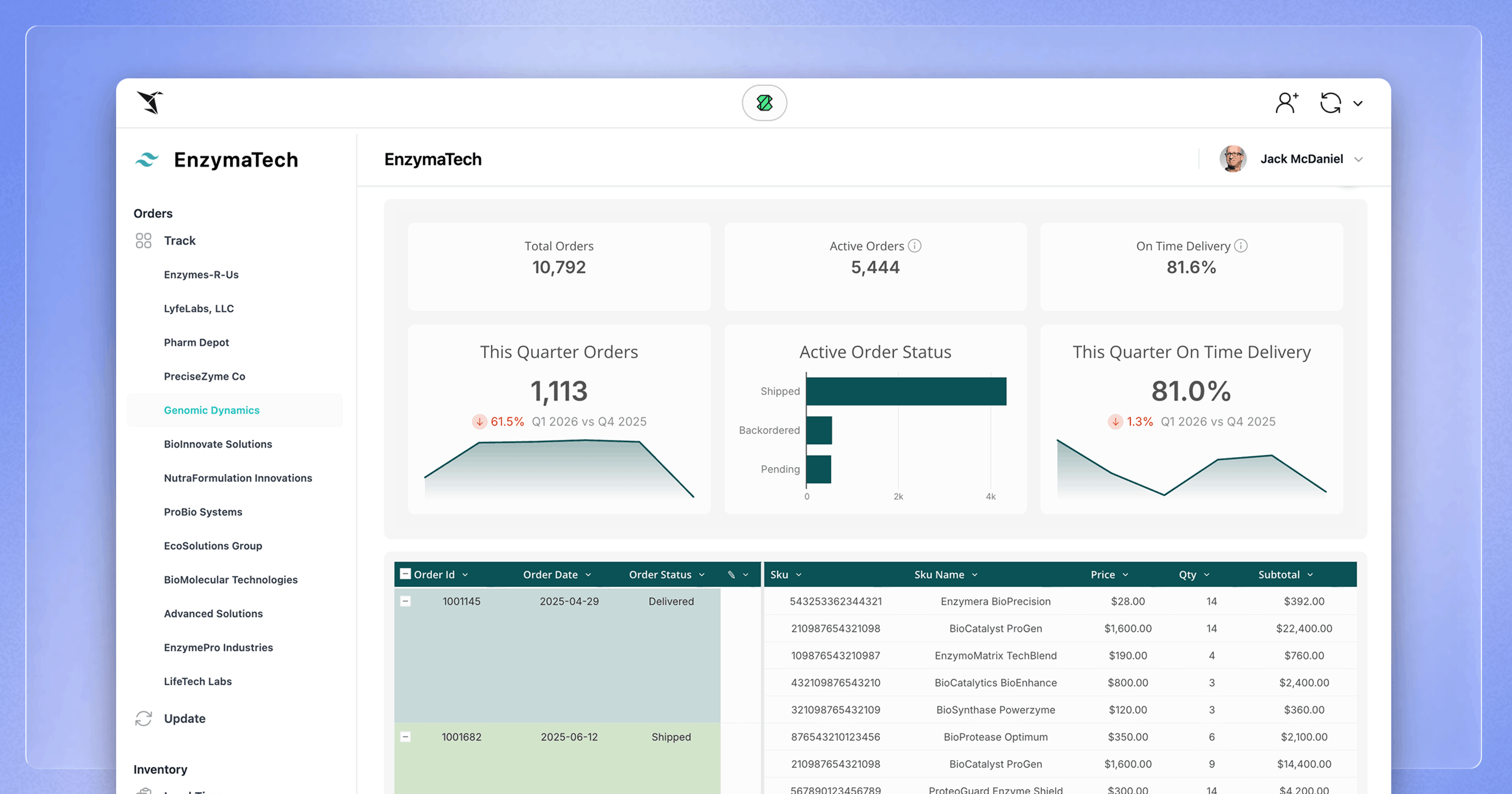
Great digital products offer great data insights. But as most product teams know, your time is better spent refining the core product instead of building charts and dashboards from scratch. This is where white-label embedded analytics comes in.
White-label embedded analytics allows you to inject powerful, branded data experiences directly into your application, monetizing insights and increasing user stickiness without the engineering overhead. But not all embedded solutions are created equal. Some are heavy, legacy tools wrapped in a new UI; others are lightweight widgets that break under pressure.
To build a future-proof product, you need a platform that balances ease of use (think spreadsheet familiarity) with enterprise scale (live cloud data). Here is your strategic roadmap for choosing a partner that empowers both your developers and your customers.
1. Define your business outcomes and user personas
Before looking at features, you must define the "Why." Are you embedding analytics to check a box, or is this a new revenue stream?
Business outcomes:
- Monetization: Are you selling premium data tiers?
- Retention: Does data access keep users in your app longer?
- Differentiation: Is this a competitive moat against rivals?
User personas:
Adoption fails when you build for the wrong user. A data scientist needs SQL; a marketing manager needs a pivot table.
- The executive: Wants high-level KPIs and static PDF reports.
- The analyst: Wants to drill down, slice-and-dice, and explore raw data.
- The operator: Wants operational dashboards to manage daily workflows.
Pro Tip: Look for a platform that serves the "Explorer." If your embedded analytics tool only allows for static viewing, you aren't empowering your users—you're just showing them pictures of data.
2. Validate data architecture compatibility and live query support
This is the most critical technical differentiator. Most legacy BI tools force you to extract data out of your warehouse and into their proprietary black box. This creates data silos, latency, and security risks.
Why live query matters:
- No stale data: Users see what is happening now, not what happened yesterday.
- Security: Data stays in your cloud data warehouse (Snowflake, Databricks, BigQuery).
- Scalability: If your warehouse can handle it, your embedded analytics can handle it.
Ensure your chosen platform supports live query on the cloud data warehouse, so your product can leverage the unlimited compute power of the cloud rather than the limited resources of a legacy BI server.
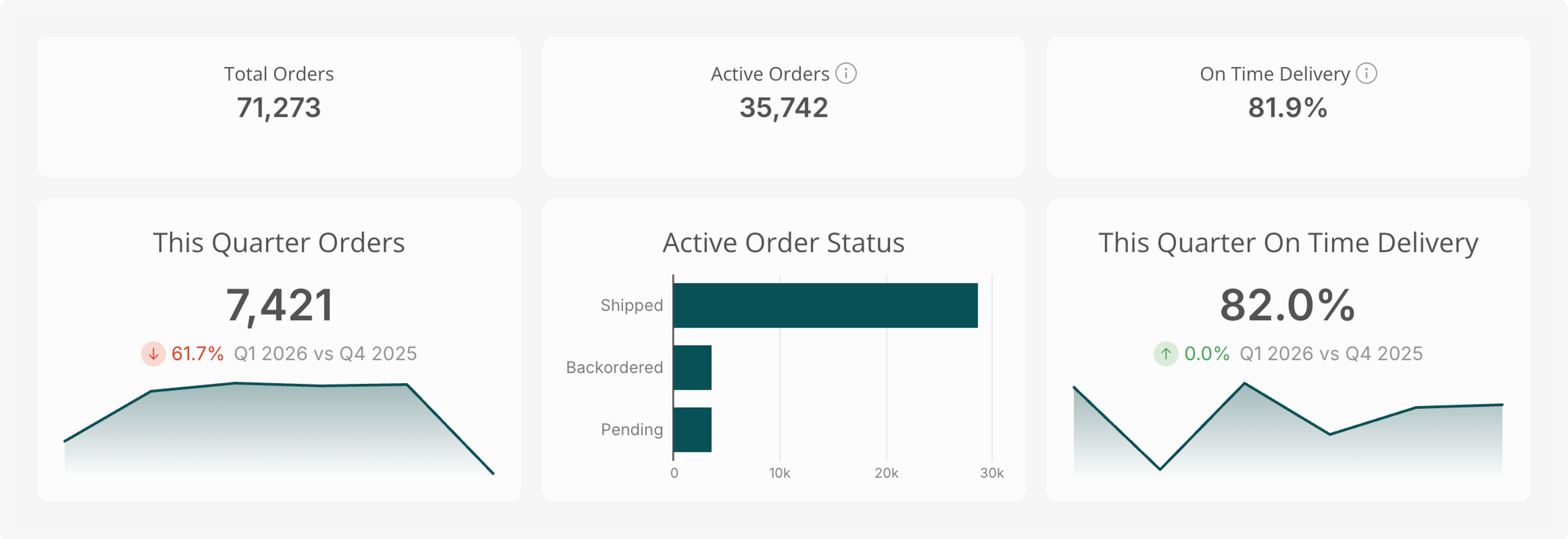
3. Evaluate white‑labeling features and customization
Your customers trust your brand, not your vendor's. "White-labeling" is more than just slapping a logo on a dashboard; it’s about immersion.
The white-label checklist:
- Custom domains: Does the URL match your application?
- Theming: Can you control fonts, colors, and button styles to match your design system?
- Suppression: Can you completely remove vendor branding, tooltips, and loading screens?
- Localization: Does the tool support the languages and currencies your global customer base requires?
True white-labeling means the user never realizes they have left your application's ecosystem.
4. Assess security, governance, and compliance
When you embed analytics, security cannot be an afterthought.
Multi-tenancy & isolation:
You need an architecture that ensures Tenant A never sees Tenant B’s data. Look for platforms that support row-level security (RLS). This allows you to pass a user's identity (via a secure token) to the analytics platform, which then dynamically filters the data so they only see what they are authorized to see.
Key governance features:
- RBAC (Role-based access control): Granular permissions for viewers, explorers, and creators.
- Audit Logs: Who queried what, and when?
- Compliance: GDPR, HIPAA, and SOC2 Type II certifications are table stakes.
5. Test performance, scalability, and reliability
A dashboard that takes 30 seconds to load is a dashboard that gets ignored. Because Sigma intelligently queries the cloud data warehouse, performance is effectively limitless—scaling instantly with the power of the underlying warehouse.
How to stress test during your evaluation:
- Concurrency: Simulates hundreds of users querying at once. Does the system choke?
- Data Volume: Run a query against a billion-row dataset. Does it time out?
- Complexity: Try a complex join or a heavy pivot. Does the browser crash?
Note: If the vendor relies on "extracts" or "in-memory cubes," you will eventually hit a wall where data volume crushes performance. Cloud-native architectures avoid this entirely.
6. Prioritize developer experience
Your engineering team is already busy. They don't want to learn a proprietary coding language just to embed a chart.
Look for developer-friendly functionality:
- Simple embedding APIs: Secure signing using standard protocols.
- postMessage() communication: Allow your app to "talk" to the embedded iframe (e.g., passing filters from your app's dropdown menu into the dashboard).
- Sandboxes: A free, easy-to-access environment for prototyping.
7. Pilot the solution
Finally, don't just sign a contract—run a pilot. Pick a real use case—perhaps a "Customer 360" dashboard for your premium tier. Build it, embed it, and put it in front of a beta group. Measure load times and gather feedback on the "feel" of the data exploration.
Frequently asked questions
What is white-label embedded analytics software?
White-label embedded analytics software lets you seamlessly integrate analytics dashboards or reports into your own product and fully rebrand them. The goal is for users to experience analytics as a native, organic part of your application, increasing engagement and value.
What key features should I look for in a white-label embedded analytics platform?
Prioritize customizable branding (CSS/Theming), seamless embedding options (secure iFrames/SDKs), and live data integration. The ability to query the warehouse directly ensures your customers always trust the data.
How can I ensure data security with embedded analytics?
Choose a platform that inherits the security of your Cloud Data Warehouse. Look for robust Row-Level Security (RLS) that dynamically filters data based on the logged-in user, ensuring strict multi-tenancy.
Ready to build?
Sigma combines the familiarity of a spreadsheet with the power of the cloud, making it the ideal engine for your embedded analytics.Explore Sigma for Embedded Analytics or request a free trial today.