
Sigma for Financial Services Teams
Govern every trade and transaction on your warehouse. Eliminate spreadsheet risk by keeping sensitive financial data secure, auditable, and extract-free.
Get a demoHow financial services teams use Sigma
Sigma helps investment ops, risk, lending, and finance teams replace spreadsheet-heavy analysis and reporting by working directly on live warehouse data with governed access, row-level controls, and audit history for reviews and compliance.
Trusted by finance and corporate strategy teams at leading global enterprises













From Data to Efficient Risk Control
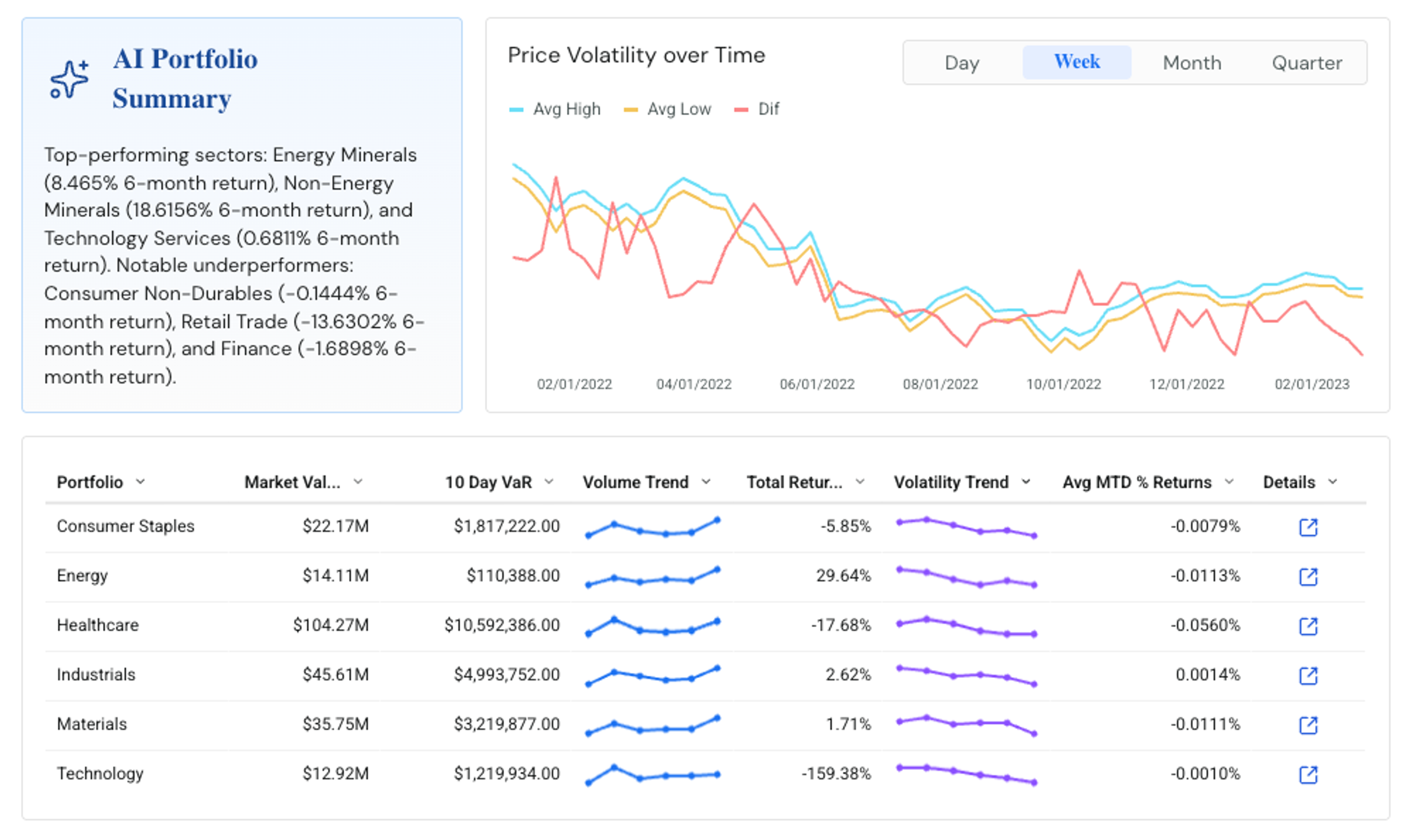
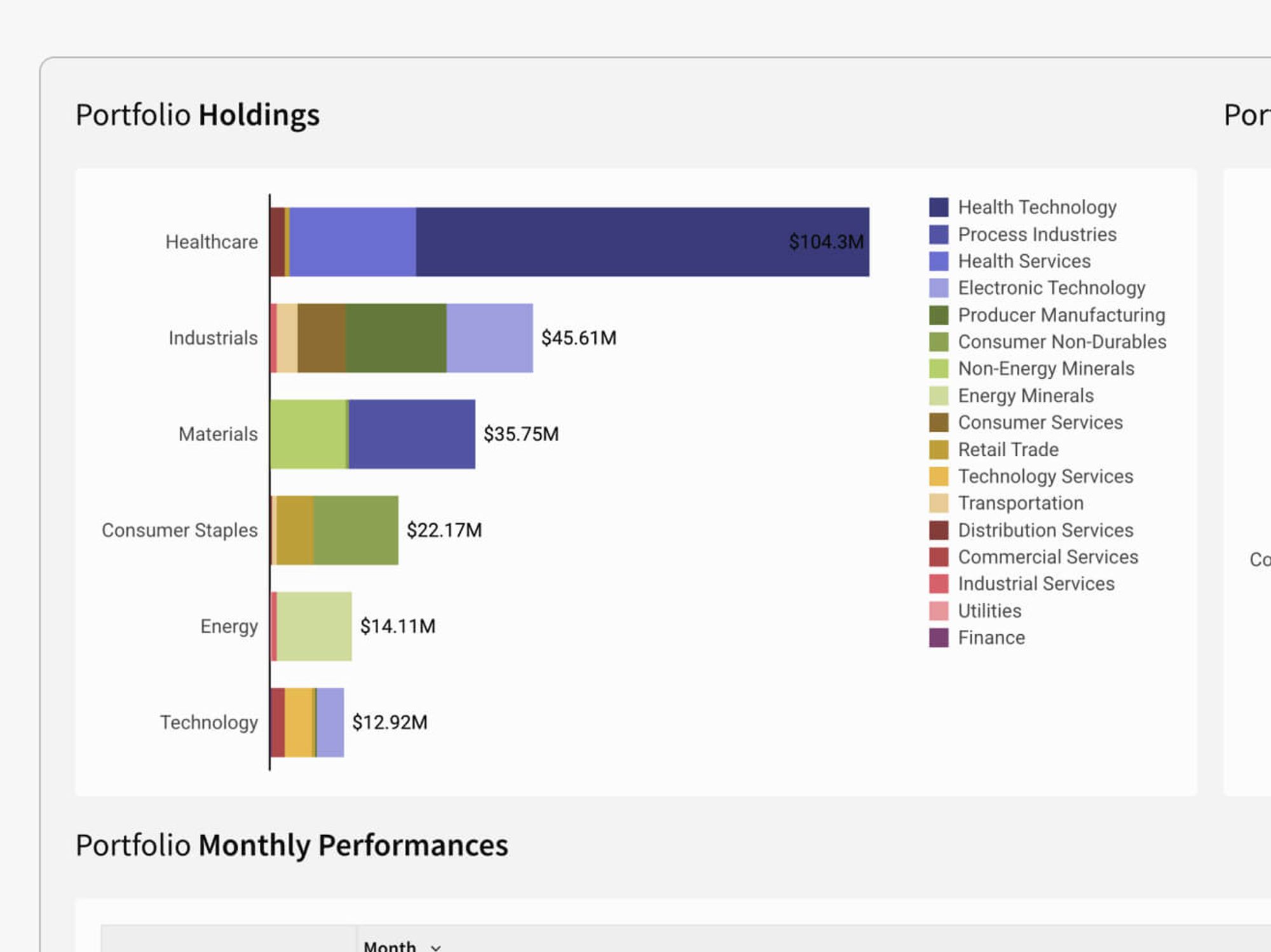
Monitor liquidity and credit exposure in real time. Risk teams analyze market volatility on live data without waiting for static reports.
Act on risk in real time
Analyze liquidity, counterparty, and market risk directly on live trade data—no extracts, no delays. Risk teams move from T+1 snapshots to intraday decision-making, drilling from portfolio exposure down to individual transactions in seconds.
- Intraday liquidity and exposure monitoring
- Transaction-level drill dow
- Live volatility & stress analysis
- Governed writeback for risk actions
Automated regulatory compliance with lineage
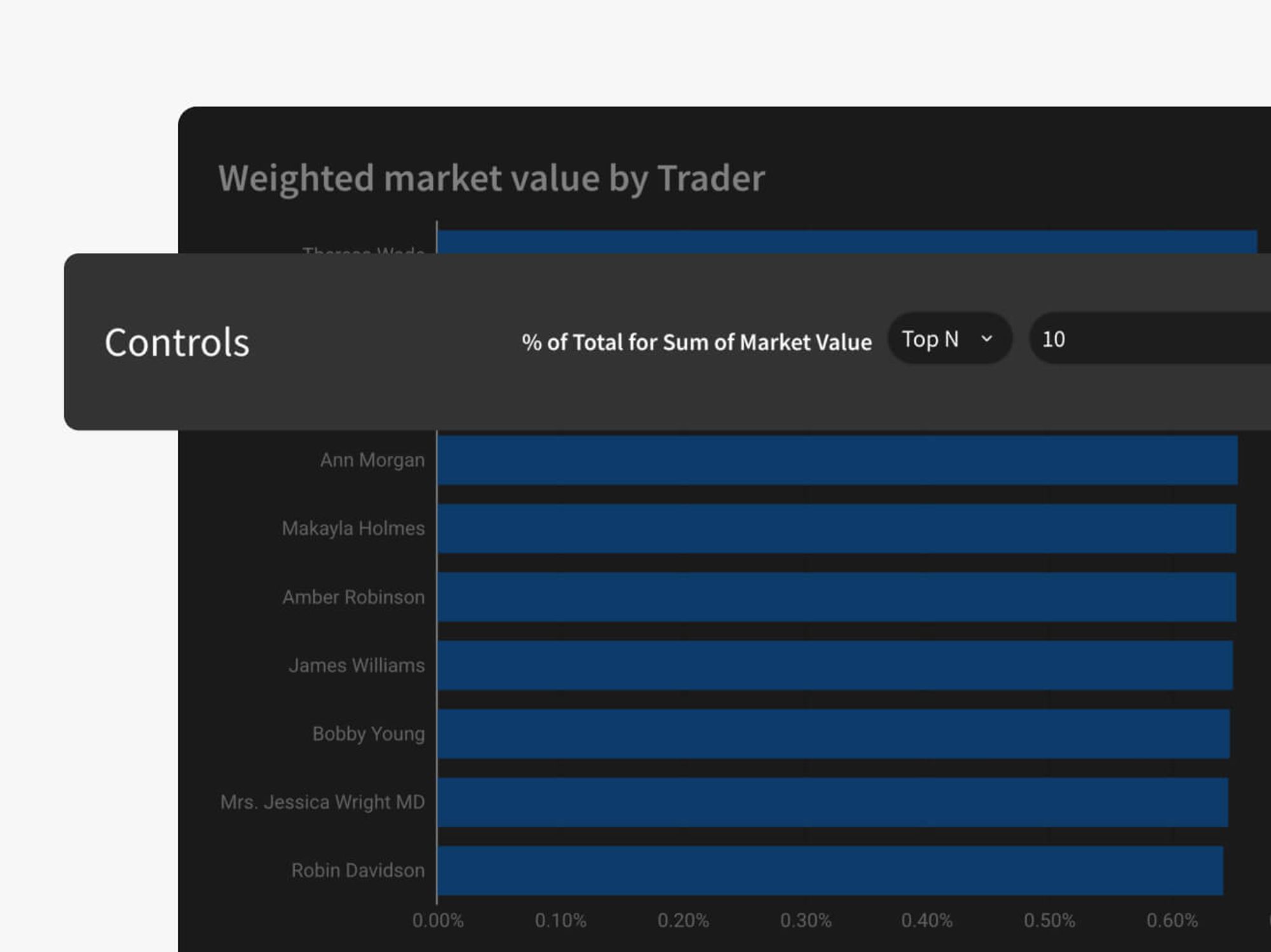
Replace manual reporting and static extracts with automated compliance workflows built on governed data. Trace every figure back to its source while enabling audit, risk, and operations teams to collaborate securely in one place.
- End-to-end data lineage & audit trails
- Automated regulatory & control reporting
- No-movement data security
- Workflow-driven reviews & approvals
Precision underwriting and claims
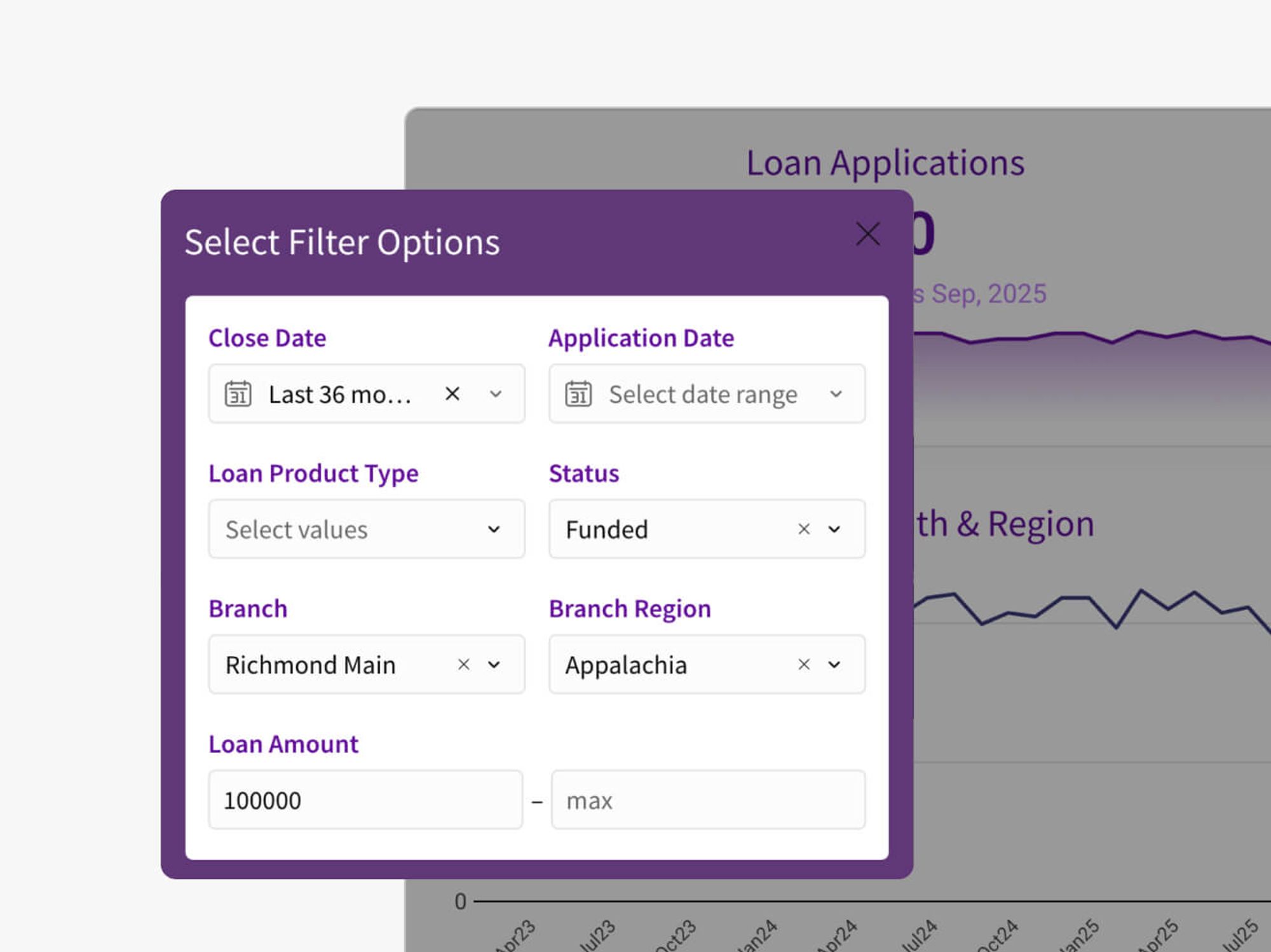
Analyze underwriting and claims data at full fidelity—no sampling required. Actuaries and claims teams explore individual-level behavior, identify root causes, and refine pricing models using live data.
- Granular risk & exposure modeling
- Claims root-cause analysis
- Policyholder behavior tracking
- Operational workflows for claims review
Real-time fund performance
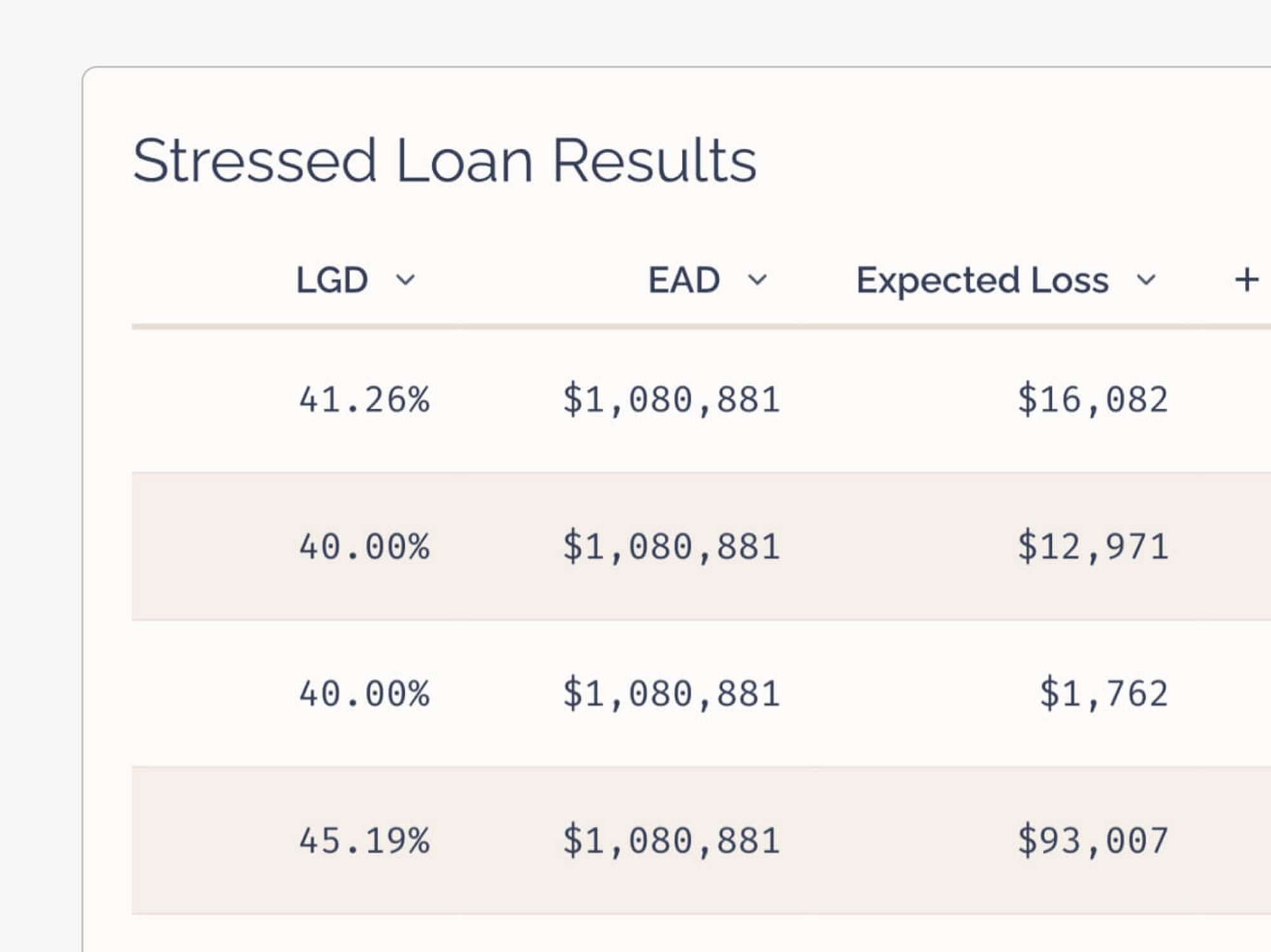
Track IRR and fund performance without manual spreadsheet aggregation. Automate reporting for LPs by querying live transaction data directly from the warehouse, ensuring every number is auditable.
- Automated LP & investor reporting
- Live IRR, DPI, TVPI & cash flow modeling
- Scenario modeling on live fund data
Self-service analytics without engineering
Embed premium reporting directly into your financial product. Differentiate your offering by selling clients interactive visibility into their own transaction and performance data, securely and without custom engineering
- Zero-engineering embed
- White-label monetization
- Multi-tenant security & governance
- Usage-based data monetization
Trusted for Data Security
Leading financial institutions rely on Sigma's no-extract architecture to analyze sensitive data without it ever leaving the warehouse.

"You're not using specialized Python developers to analyze billion row records. You're just adding an Excel user."

Sigma and Snowflake Cortex make unstructured legal documents actionable for 500+ business users.

Sigma empowers teams across Cowen to easily analyze historical data and take a holistic approach to their analytics.

FalconX's team moved off Google Sheets onto one standardized platform and now develops core insights faster.

Sigma cut data analysis time from months to days, improving operational efficiency across the organization.

Spreadsheets and manual reporting gave way to governed, self-service FP&A and financial modeling on Snowflake.
Dashboards became governed AI Apps that automate compensation reviews with clearer accountability.
Enterprise-Grade Security for Financial Services
Meet the most rigorous compliance requirements with a platform built for financial institutions
SOC 2 Type II Compliant
Annual third-party audits verify our security controls meet the highest standards
TruSight Assessed
Validated by the utility backed by JPMorgan, Bank of America, Wells Fargo & American Express
Row-Level Security
Control data access at the row level—users only see what they're authorized to see
Your Data Stays in Your Cloud
Sigma queries your warehouse directly—no data copies, no extraction, no risk
ISO 27001/27017/27018
Certified for information security, cloud security, and PII protection
SSO & OAuth Integration
Leverage existing identity providers and Snowflake permissions seamlessly

SOC 2

ISO/IEC 27701

GDPR

CCPA
Related Resources
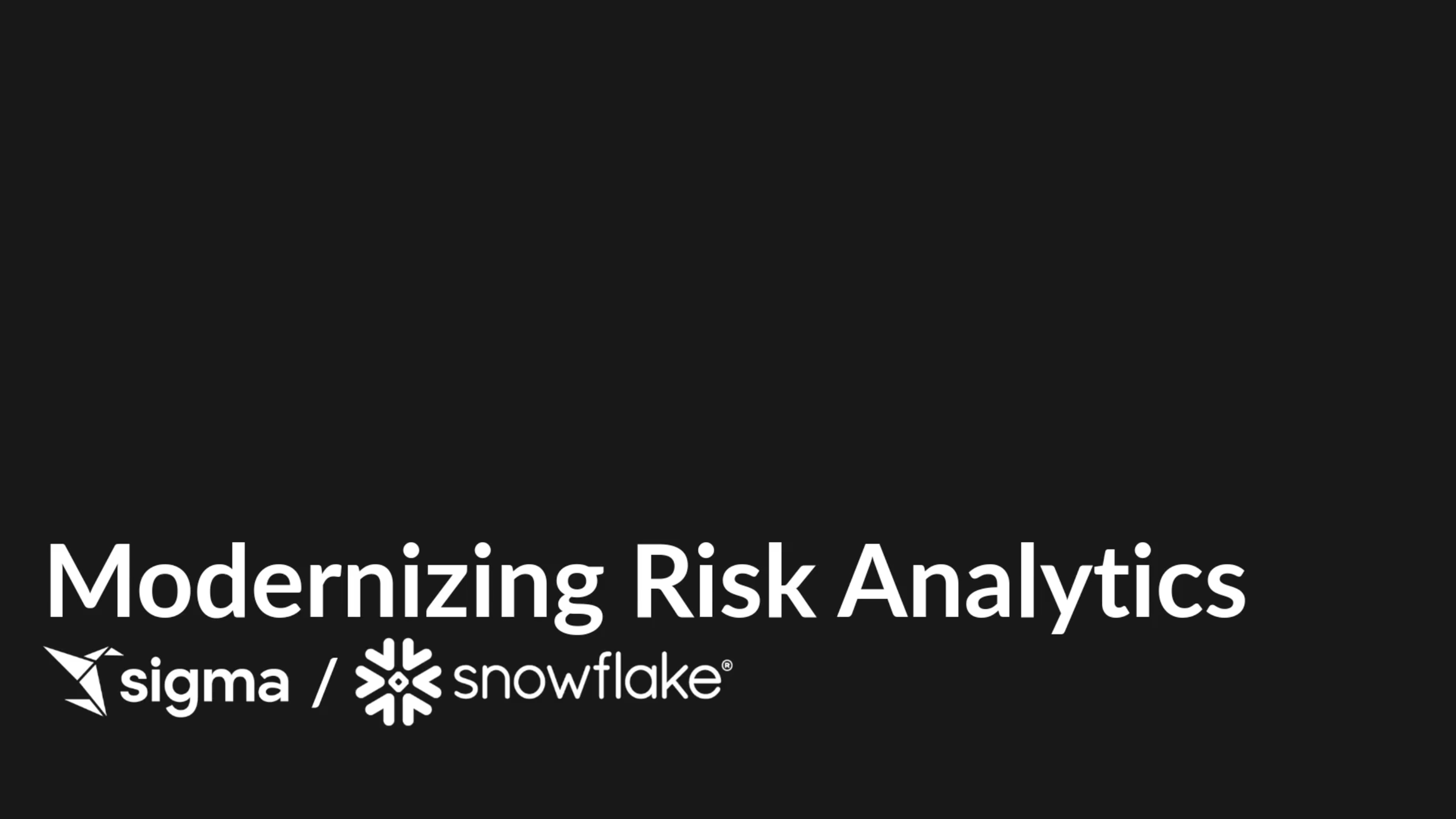
Portfolio Risk Modeling and Analysis
Apply advanced analytics like VaR and CVaR to manage portfolio risks, using integrated data in Snowflake to support real-time portfolio analysis and rebalancing.
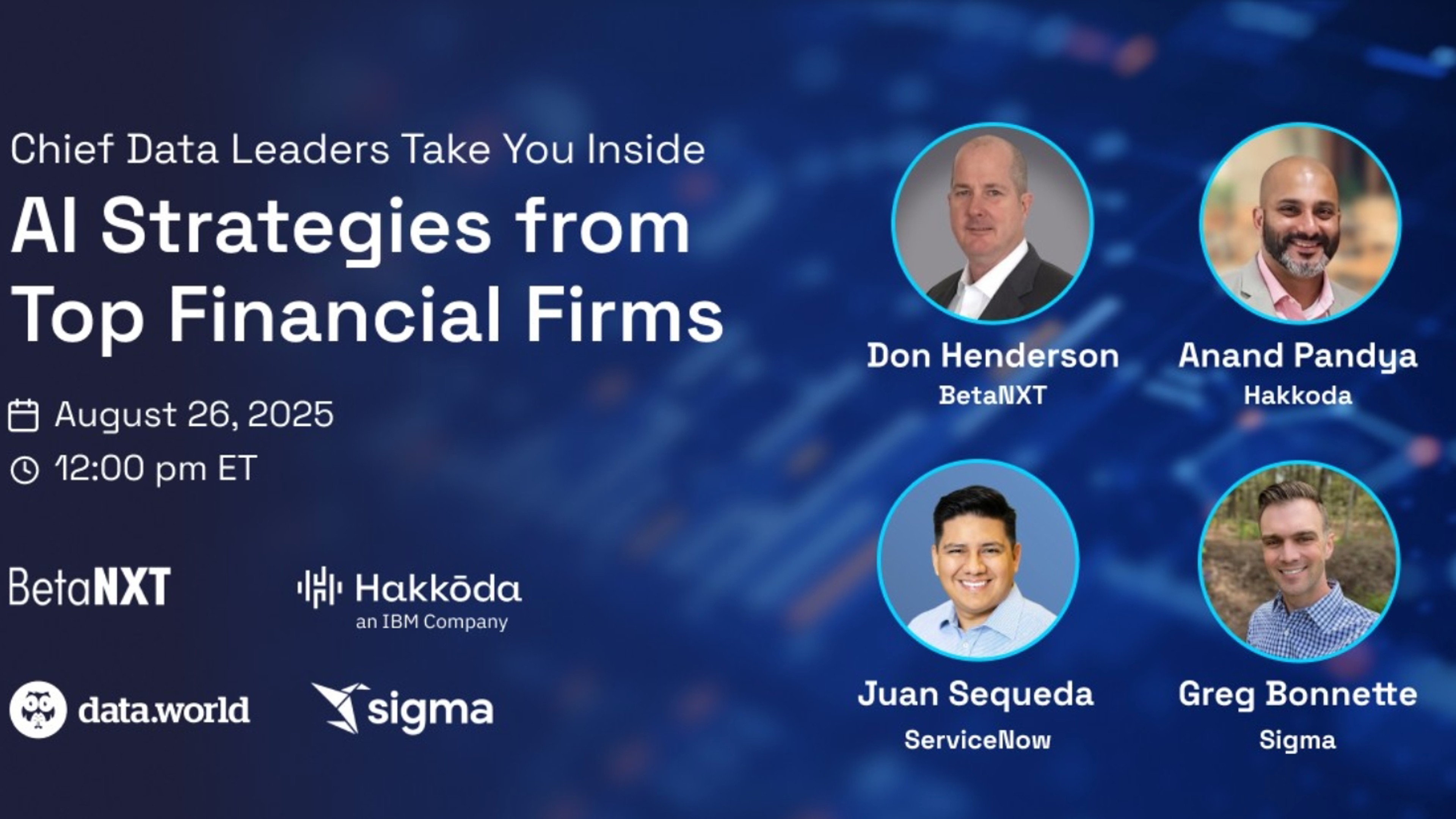
AI Strategies from Top Financial Firms
This webinar brings together leaders who know how to clean up messy data, put governance in place, opened access to the business without losing control, and started shipping AI use cases that leadership cares about.
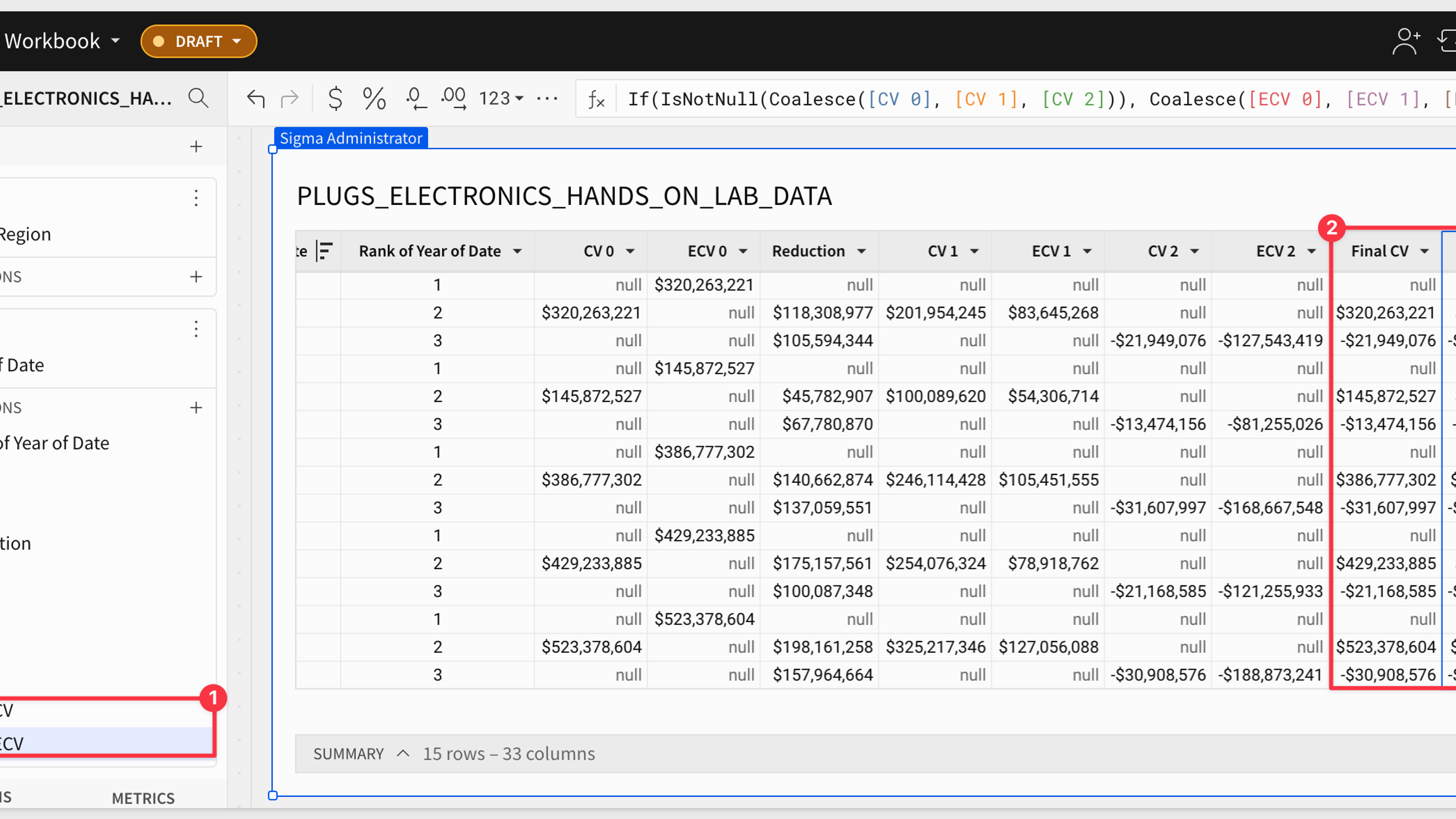
Discounted Cash Flow on Sigma
Learn how to transition DCF analysis to Sigma, ensuring a scalable, automated process within a familiar spreadsheet interface.
Everything you need to analyze, report, and act
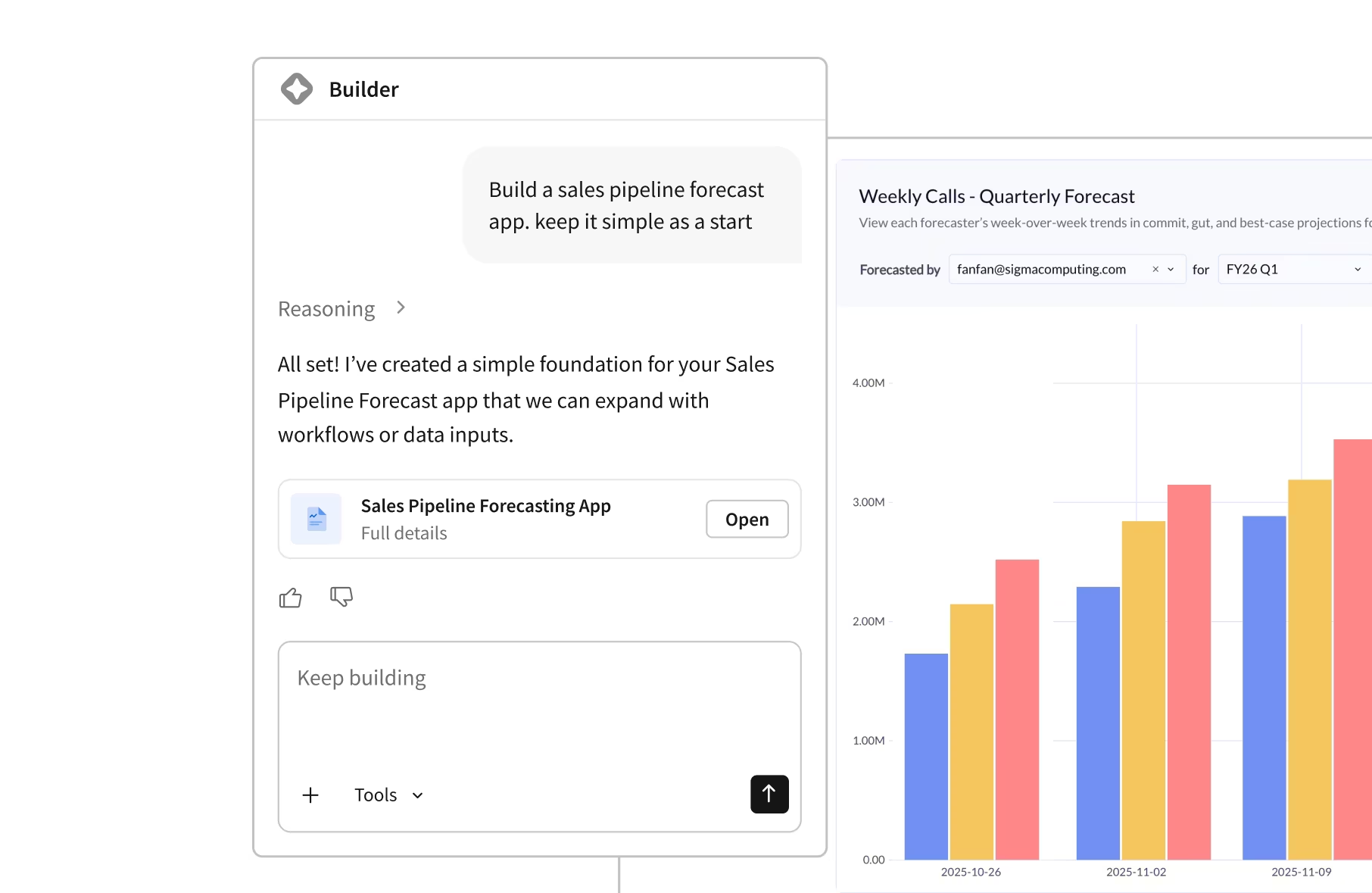
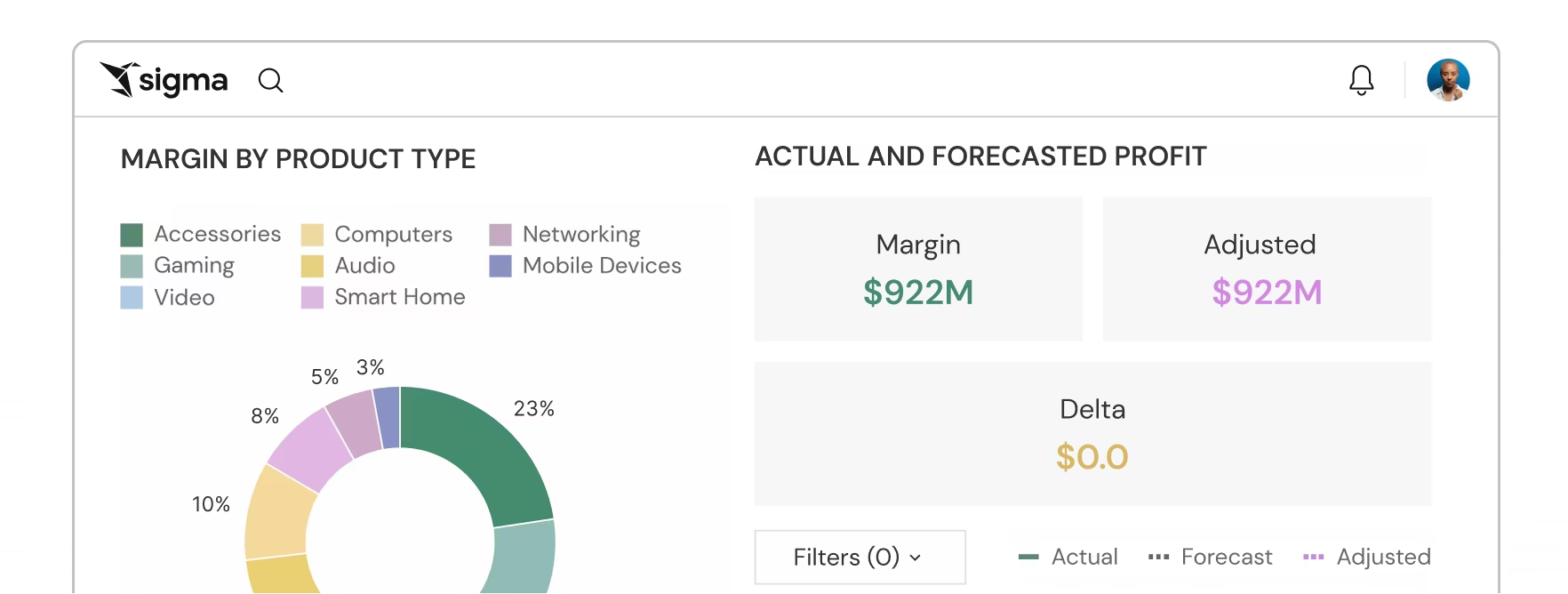
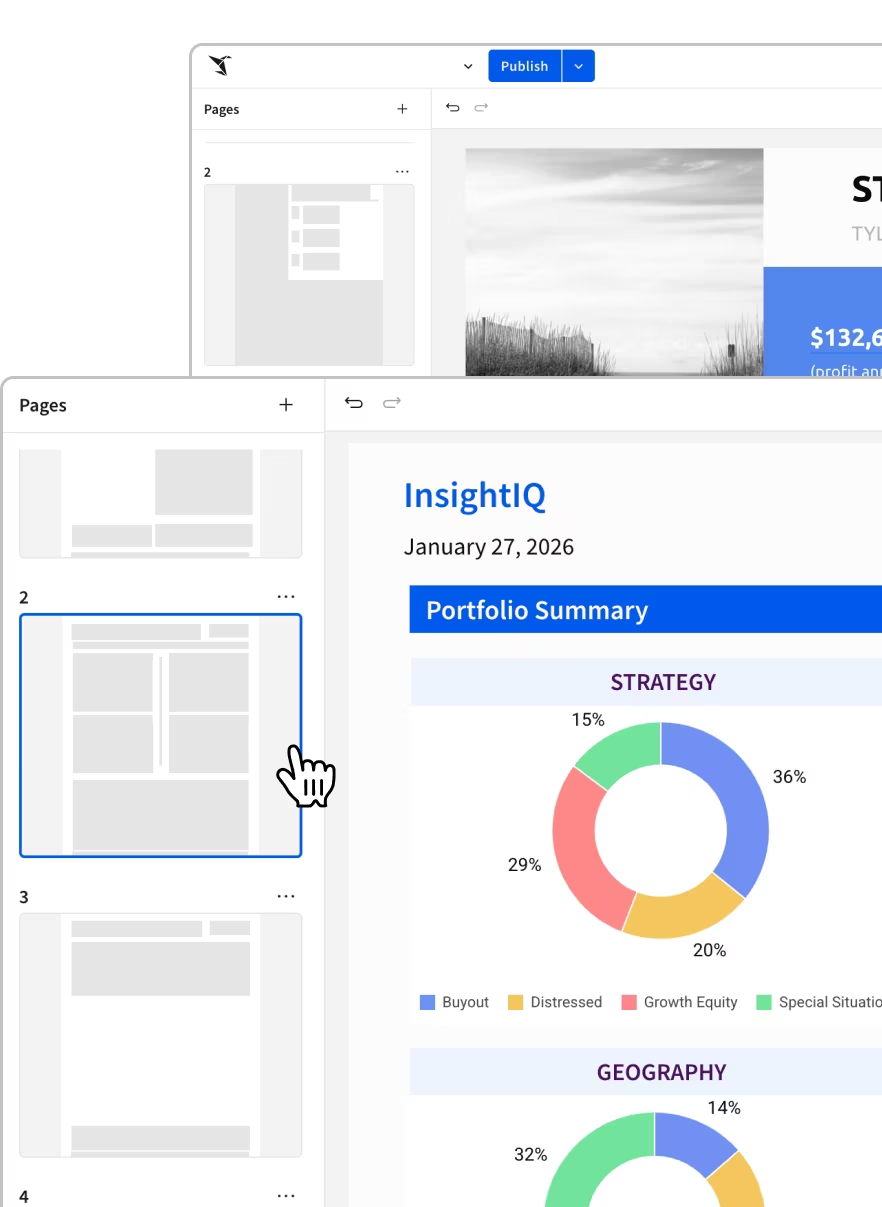
One platform for dashboards, reports, embedded analytics, and AI-powered insights.
Financial services in Sigma FAQs
Common questions about financial services needs with Sigma.